
Introduction
In many CNC machining projects, one of the first decisions engineers face is whether to use milling or turning. Both processes are part of modern CNC Machining Services, but they are used for different types of parts and geometries.
While the difference may seem straightforward, the choice often affects machining cost, lead time, and part performance.
In this article, we focus on how to select the right process based on real part geometry and production requirements.
For a complete comparison including cost and tolerances, you can read our detailed guide here: CNC Milling vs Turning.
What Is CNC Milling?
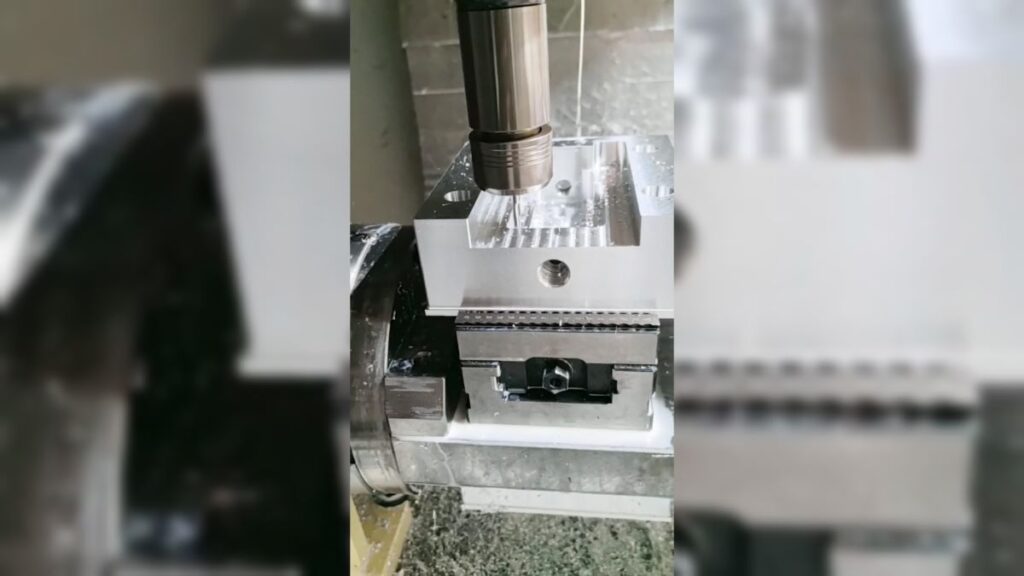
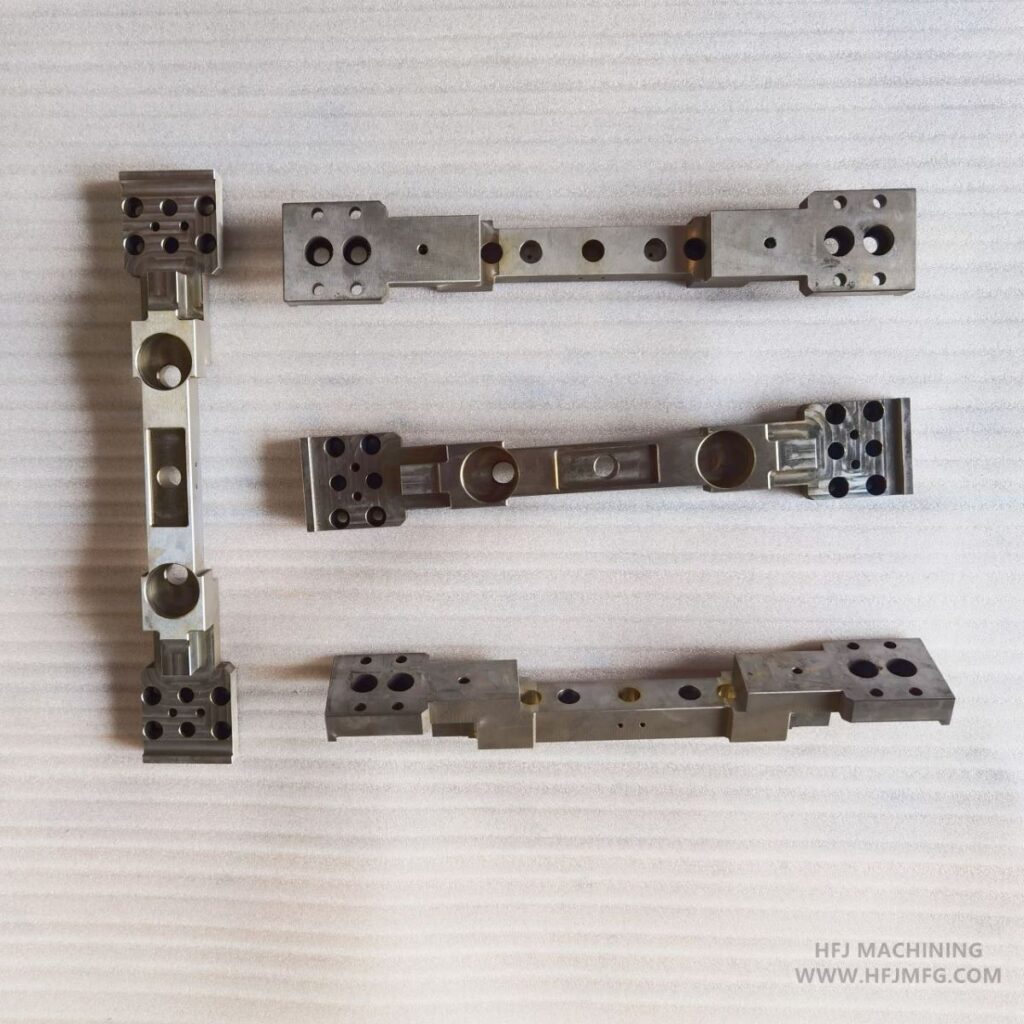
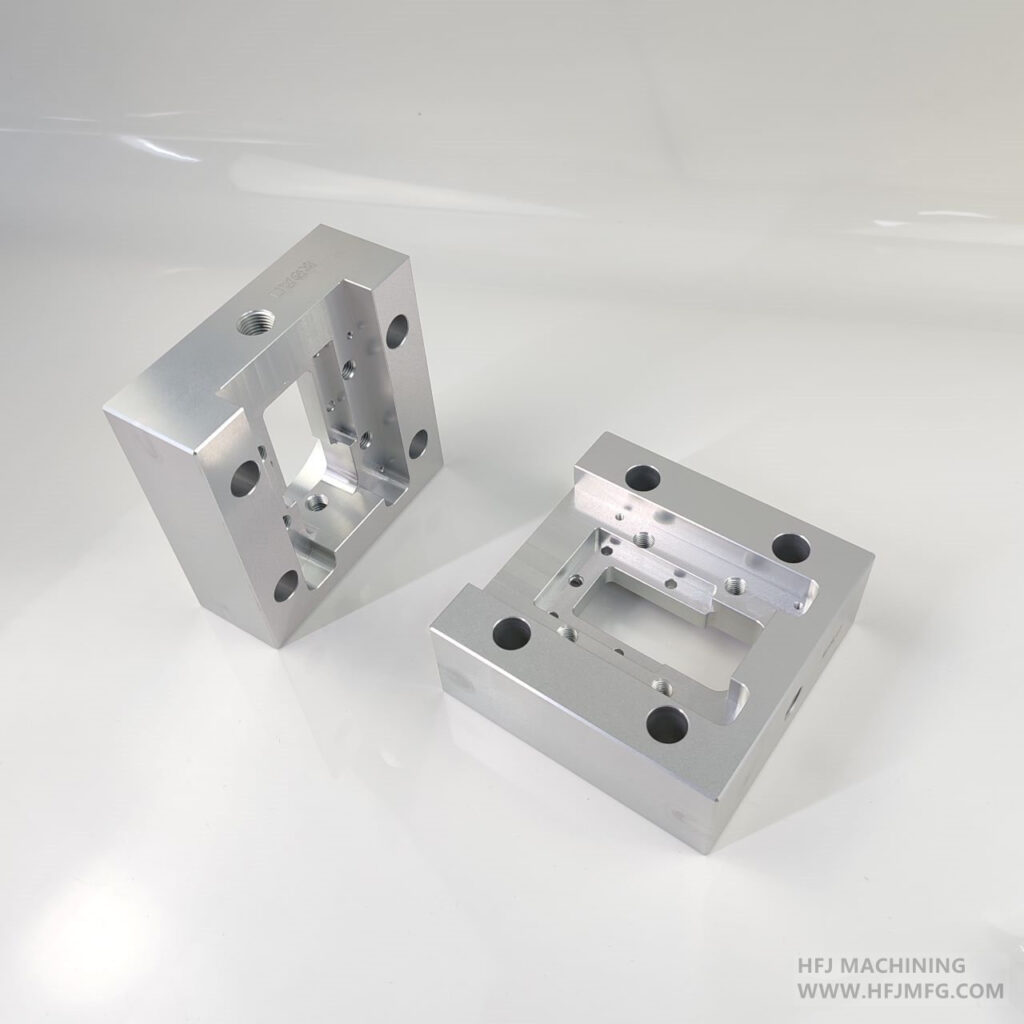
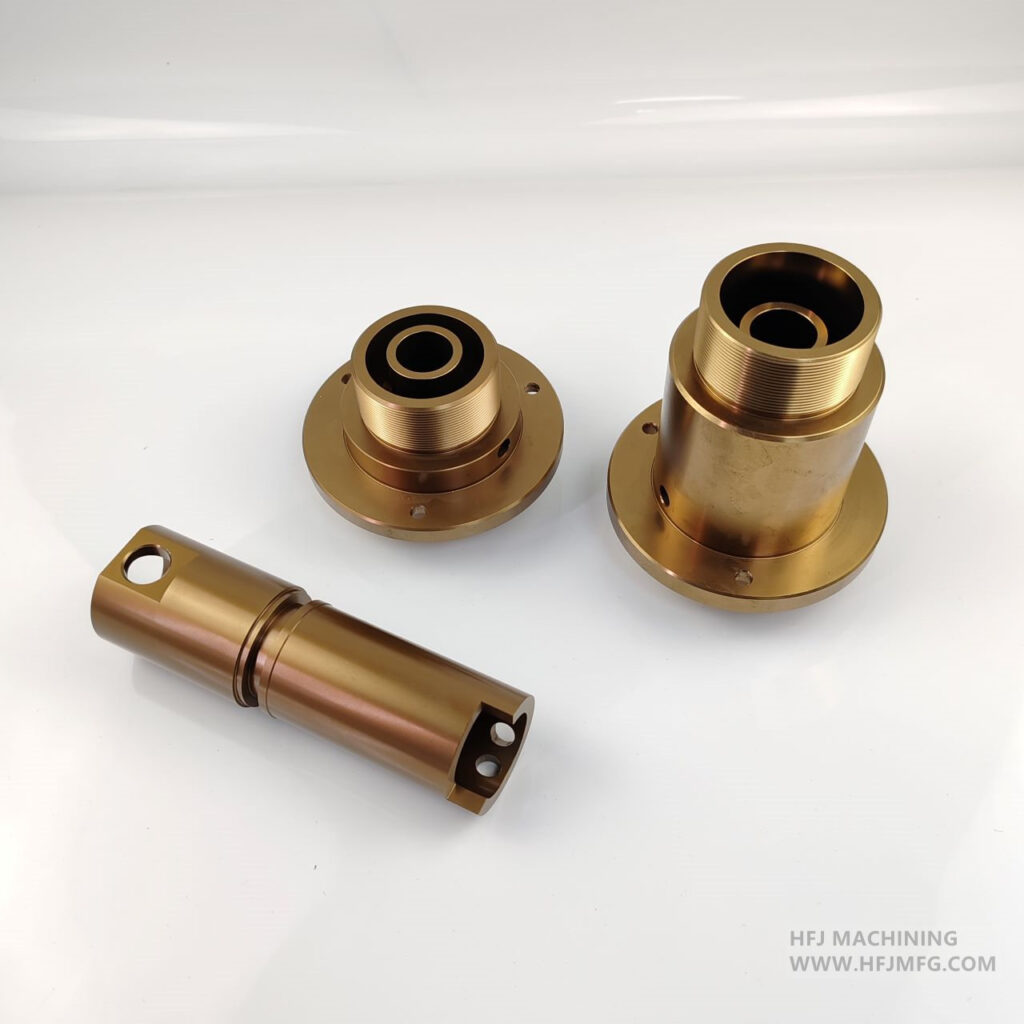
CNC milling is commonly used for parts that require complex shapes, multiple surfaces, or detailed features.
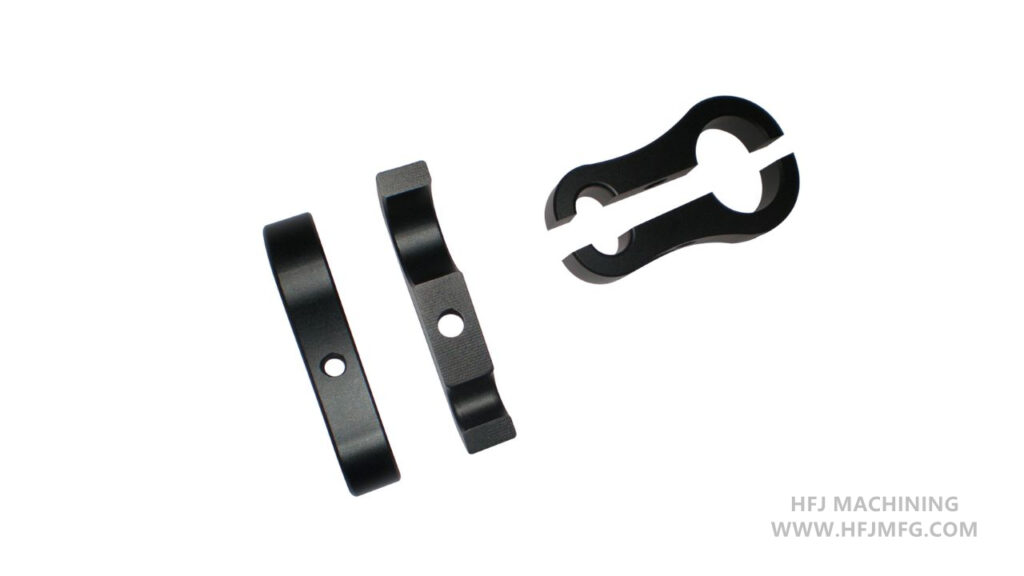
Typical examples include housings, brackets, and plates with pockets or slots.
What Is CNC Turning?
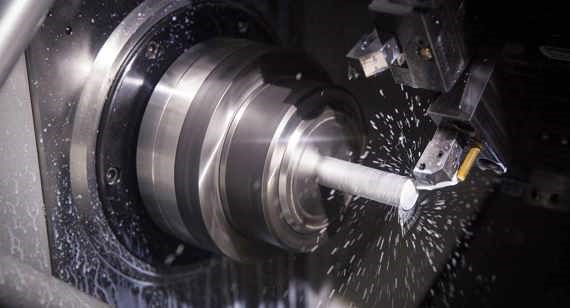
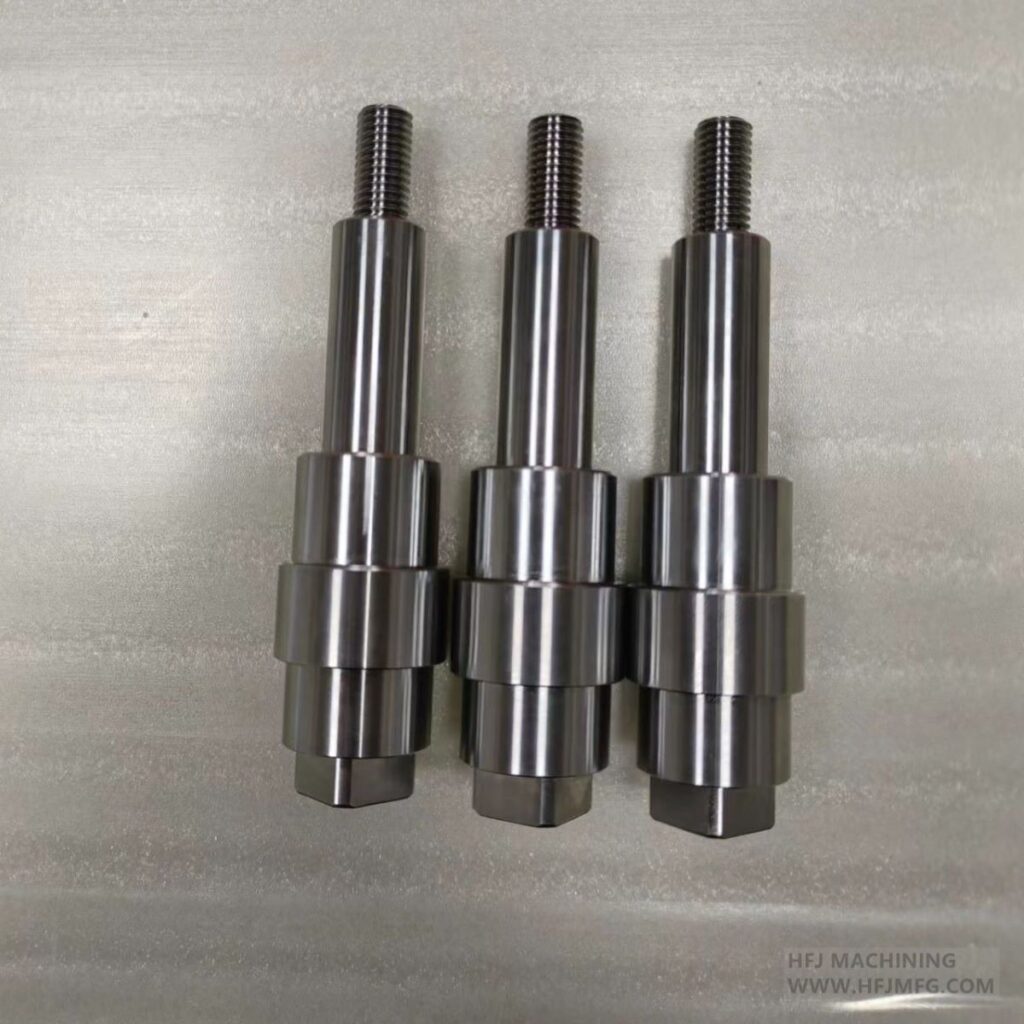
CNC turning is mainly used for cylindrical parts such as shafts, bushings, and threaded components.
It is preferred when high concentricity and smooth round profiles are required.
Key Differences Between CNC Milling and CNC Turning
Here is a practical way to understand the difference:
Movement
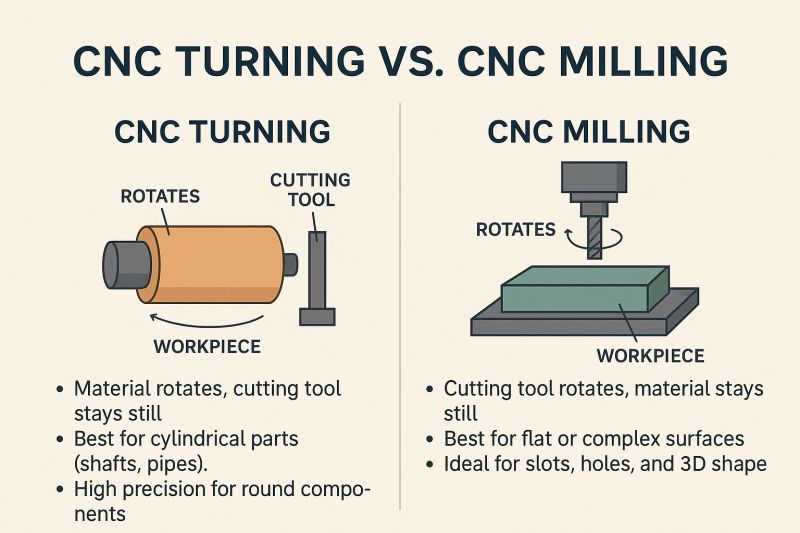
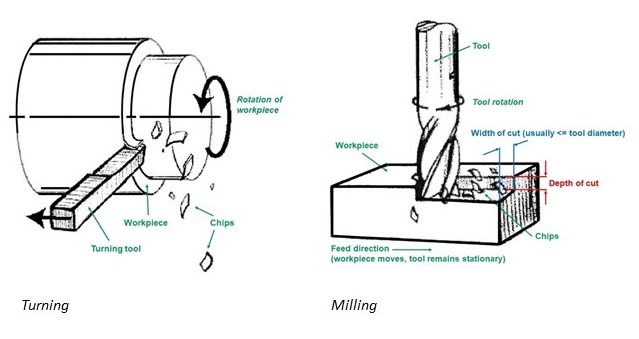
- Milling: tool rotates, part stays fixed
- Turning: part rotates, tool stays relatively fixed
Part Geometry
- Milling: complex, multi-face, irregular shapes
- Turning: round, cylindrical, symmetrical parts
Efficiency
- Milling: more flexible but slower for round parts
- Turning: faster and more efficient for cylindrical parts
Tolerances
Both processes can achieve tight tolerances.
In practice:
- Turning is very consistent for diameters
- Milling is better for positioning features across multiple surfaces
At HFJ, turning tolerances can reach around 0.01 mm depending on part specifications, while milling supports tight tolerances for precision features across multiple faces.
In real machining projects, the choice is usually not about which process is better, but which one matches the part geometry more efficiently.
Selecting the wrong method can increase machining time and cost significantly.
A Practical Example from Real Projects
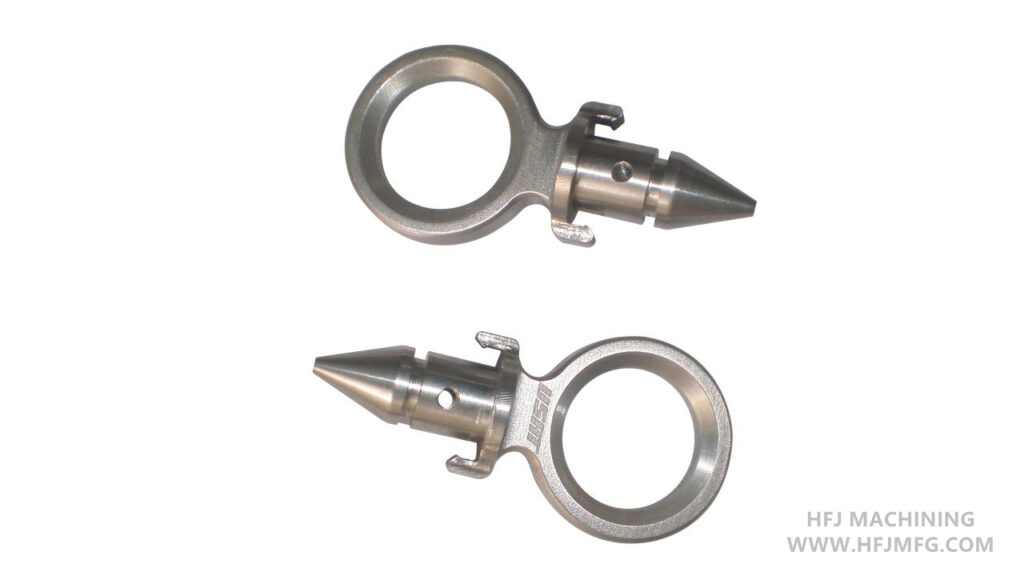
In one project, a customer initially designed a shaft-like component to be milled. After reviewing the geometry, we suggested switching to turning with secondary milling for cross holes.
This reduced machining time by over 30% and improved dimensional consistency.
In some cases, additional processes like Wire EDM service may even be required for sharp internal features.
A better approach is to review the design early and decide:
- can the design be simplified?
- can multiple processes be combined efficiently?
At HFJ, it’s common to review drawings and provide DFM feedback before production. This helps avoid unnecessary machining steps and keeps costs under control.
When Should You Choose CNC Milling?
In many projects, engineers choose milling when:
The part has complex geometry
- multiple faces
- pockets or cavities
- non-symmetrical shapes
The part is prismatic (block-like)
Examples:
- brackets
- housings
- plates
Multi-side machining is required
With 4-axis or 5-axis machines, multiple sides can be machined in one setup, reducing errors and setup time.
When Should You Use CNC Turning?
Turning is usually selected when:
The part is cylindrical
Examples:
- shafts
- rods
- bushings
High volume round parts are needed
Turning is often faster and more cost-effective for round components.
Tight diameter control is critical
Turning is ideal for:
- bearing fits
- sealing surfaces
- precision shafts
Common Challenges Buyers Face
Choosing the wrong process
One common issue buyers face is selecting a machining method based on assumptions rather than part geometry.
This often leads to:
- Higher machining cost than necessary
- Longer production time
- Inconsistent part quality
In many cases, a simple process adjustment can significantly improve efficiency.
Over-complicated designs
Adding unnecessary features can make production more difficult.
For example:
- mixing too many milling features into a turning part
- specifying tight tolerances on non-critical dimensions
Not asking for DFM feedback
Many of these issues can be avoided if the supplier reviews the drawing early.
Practical Tips When Sourcing CNC Parts
When sourcing CNC machined parts, it is important to consider not only the machining process, but also how different processes work together.
For example:
- Combining turning and milling can reduce setups
- Planning surface finishing early avoids rework
- Working with a supplier who understands multi-process integration helps improve consistency
HFJ provides CNC milling, turning, EDM, grinding, and assembly services, which helps simplify sourcing for complex projects.
Consider surface finishing early
Many parts require finishing such as:
- anodizing
- plating
- powder coating
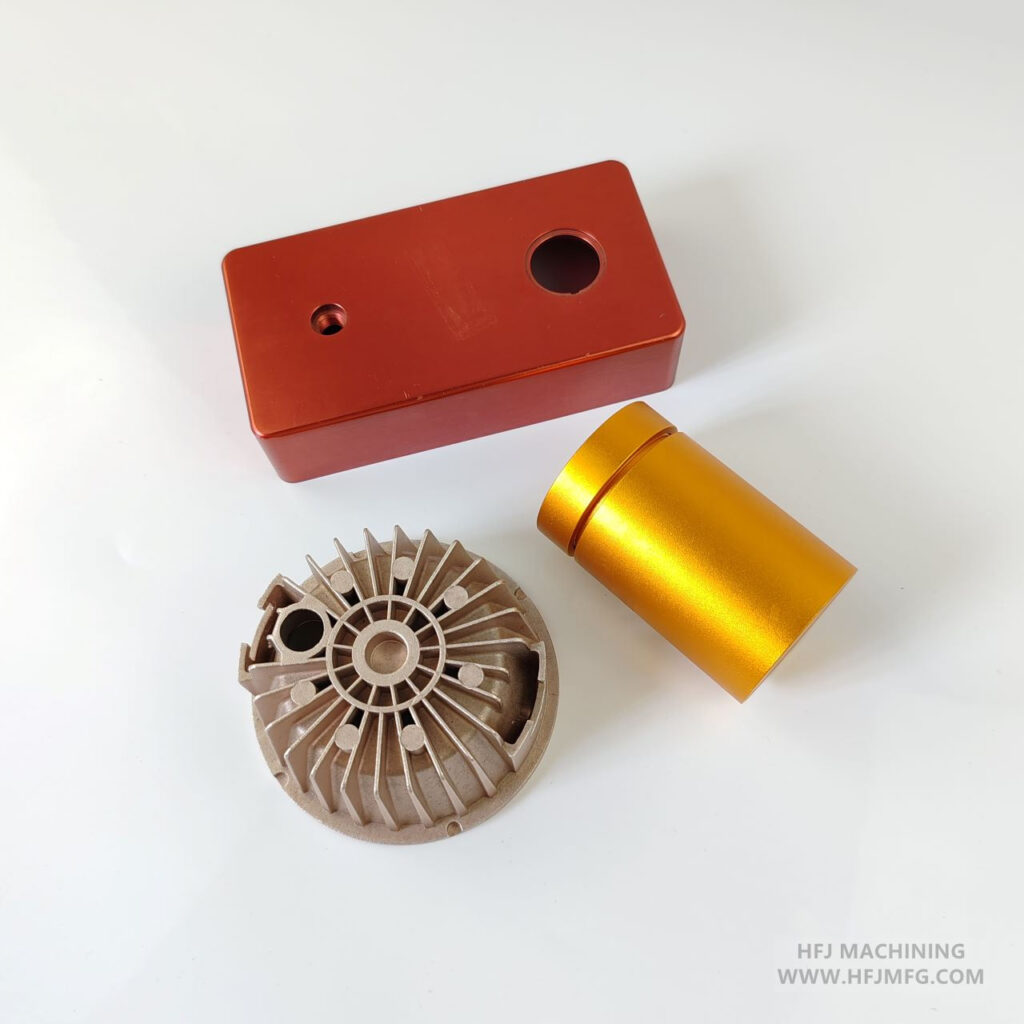
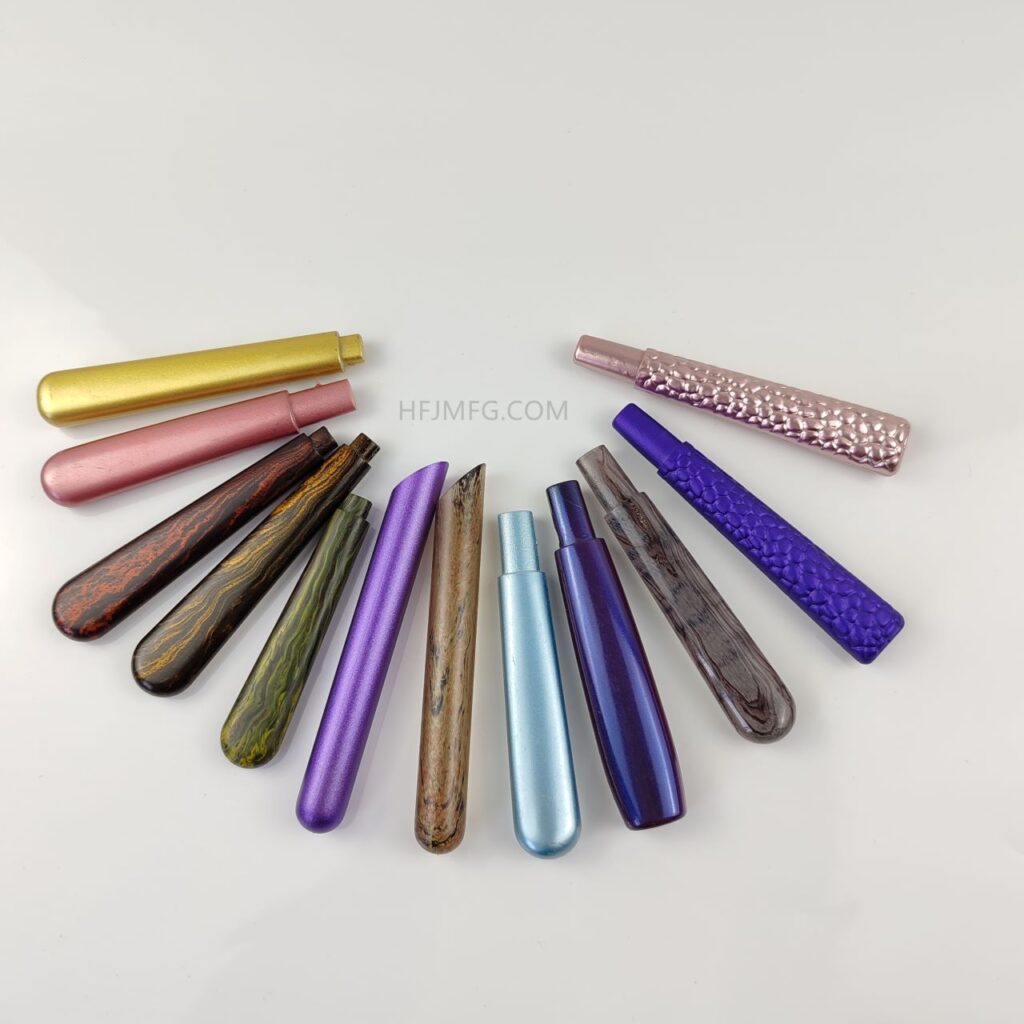
These are typically handled through integrated surface finishing services, so it’s better to confirm this early in the sourcing process.
Conclusion
Choosing between CNC milling and turning is not just a technical decision, but a practical one that affects cost, lead time, and product performance.
If you are not sure which process is suitable for your part, it is often helpful to review the design before production.
If you are sourcing CNC parts and need help evaluating a drawing, feel free to send your drawings to HFJ for review.
Need Help Choosing the Right Process?
If you are evaluating suppliers for CNC machining services and not sure which process is more suitable, feel free to send your drawings to HFJ for review.
Our engineering team can help you:
- select the right machining process
- optimize your design
- reduce production cost and lead time