
Introduction
In many machining projects, engineers need parts that require precise pockets, slots, threads, or complex 3D surfaces. Traditional machining methods can produce these features, but they require significant manual skill and are difficult to repeat consistently.
This is where CNC milling becomes essential, especially for companies that rely on professional CNC machining services to produce complex custom parts.
CNC milling is one of the most widely used manufacturing processes for producing custom metal and plastic components. It allows manufacturers to machine complex shapes directly from a digital design while maintaining tight dimensional tolerances.
For procurement managers and engineers sourcing custom parts, understanding how CNC milling works can make it much easier to evaluate suppliers, optimize part design, and control production costs.
This article explains the CNC milling process, typical materials, common applications, and several practical considerations when sourcing CNC milled parts.
What Is CNC Milling?
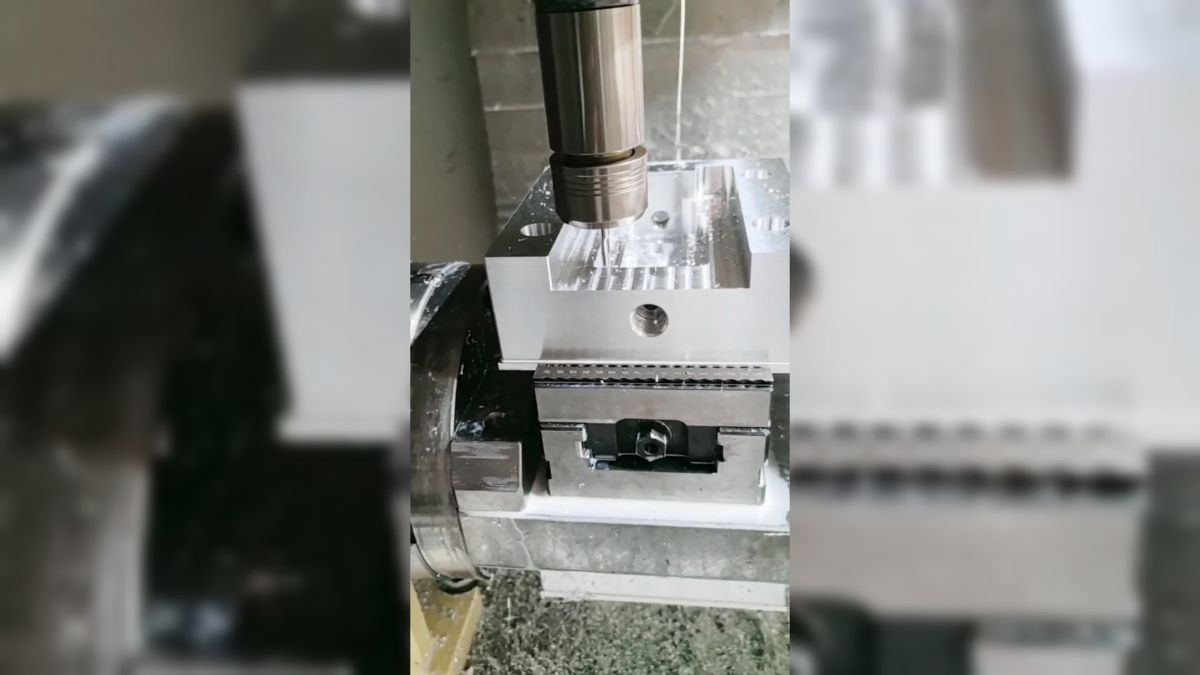
CNC milling is a machining process that removes material from a solid block using a rotating cutting tool controlled by a computer program.
The term CNC stands for Computer Numerical Control. Instead of manually operating the machine, the tool movement is controlled by digital instructions generated from a CAD model.
During milling:
- A workpiece is fixed to the machine table.
- A rotating cutting tool removes material layer by layer.
- The tool moves along multiple axes to form the required geometry.
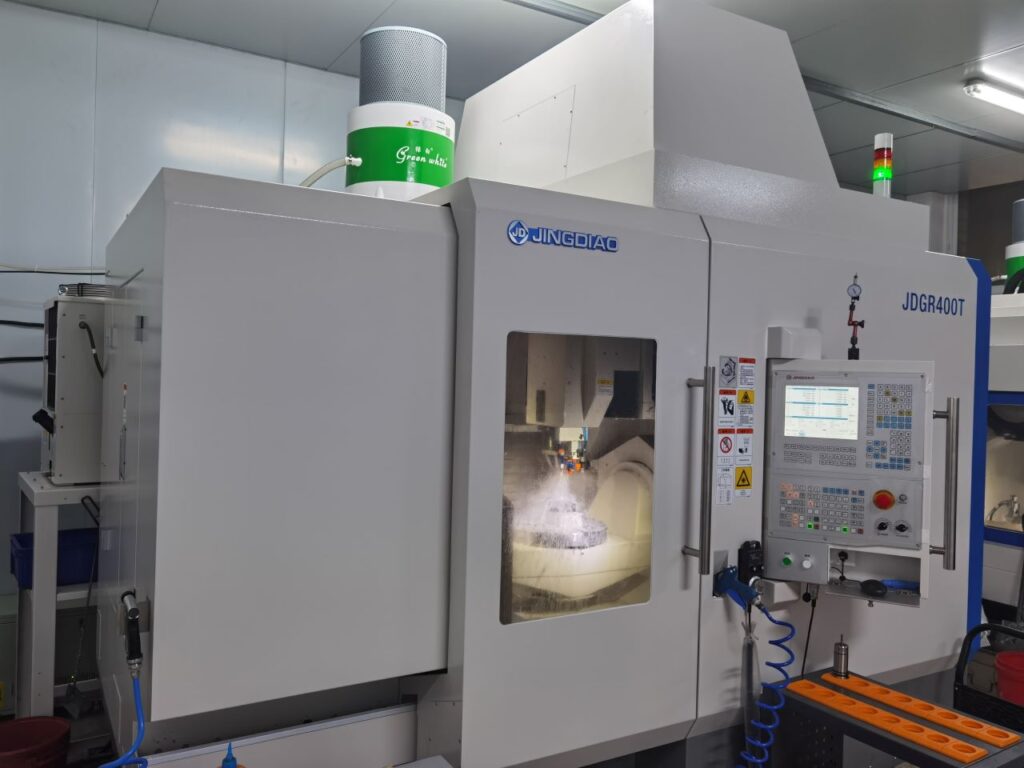
Most modern CNC milling machines operate with 3, 4, or 5 axes, allowing the tool to approach the part from different angles.
At HFJ, multi-axis machining centers allow parts to be produced with tight tolerances and complex geometries required by industries such as industrial machinery, automotive, and equipment manufacturing.
How the CNC Milling Process Works?
Although the final machining operation happens on the shop floor, the process usually starts long before the machine begins cutting.
1. CAD Model Creation
The process begins with a 3D CAD model designed by the engineer.
This model defines:
- Dimensions
- Surface features
- Tolerances
- Material specifications
A clear drawing with proper tolerances helps avoid manufacturing errors later.
2. CAM Programming
The CAD model is then imported into CAM software (Computer-Aided Manufacturing).
The CAM software generates:
- Tool paths
- Cutting strategies
- Spindle speeds
- Feed rates
These instructions are converted into G-code, which the CNC machine can execute.
3. Machine Setup
Before machining begins, operators must prepare the machine.
Typical setup steps include:
- Installing cutting tools
- Fixing the workpiece in a vise or fixture
- Setting work offsets
- Loading the CNC program
Proper setup is critical for maintaining precision and avoiding scrap.
4. Material Removal
Once the machine starts running, the rotating cutting tool removes material from the workpiece.
Common milling operations include:
- Face milling
- Pocket milling
- Slot cutting
- Contour milling
- Thread milling
The machine gradually shapes the part until it matches the programmed geometry. Most machining shops offer this as part of a full CNC milling service for prototype and production parts.
5. Inspection
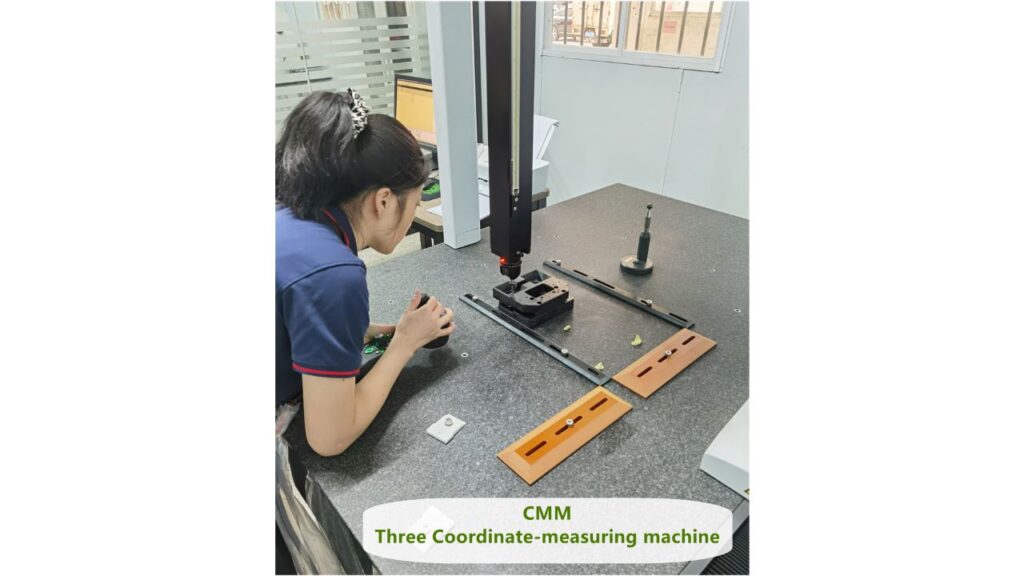
After machining, the part is inspected to verify that it meets drawing specifications.
Inspection methods may include:
- Digital calipers
- Micrometers
- CMM measurement
- Surface roughness testing
In many export-oriented machining shops, inspection is performed before shipment to ensure the parts meet customer requirements.
Types of CNC Milling Machines (3-Axis, 4-Axis, 5-Axis Explained)
Different milling machines are used depending on part complexity.
3-Axis CNC Milling
This is the most common configuration.
The cutting tool moves along:
- X-axis
- Y-axis
- Z-axis
3-axis machines are suitable for many components such as brackets, plates, housings, and simple mechanical parts.
4-Axis CNC Milling
4-axis machines add rotational movement.
This allows machining around cylindrical parts without repositioning the workpiece.
Typical applications include:
- shafts
- cylindrical features
- side machining
5-Axis CNC Milling
5-axis machining allows the cutting tool to approach the part from nearly any direction.
This is useful for:
- complex aerospace components
- medical device parts
- intricate molds
It also reduces the number of setups required.

Common CNC Milling Materials: Aluminum, Stainless Steel, Brass
One advantage of CNC milling is the wide range of materials that can be machined.
Aluminum
In many machining projects, engineers choose aluminum first because it is easier to machine and reduces machining time compared with stainless steel. It is:
- lightweight
- easy to machine
- corrosion resistant
Common grades include:
- 6061 aluminum
- 7075 aluminum
These materials are widely used in automotive and industrial equipment.
Stainless Steel
Stainless steel provides excellent strength and corrosion resistance.
However, it is more difficult to machine than aluminum because it generates higher cutting forces.
Typical grades include:
- 304 stainless steel
- 316 stainless steel
Carbon Steel
Carbon steels are often used for structural components or mechanical parts.
They offer good strength and are typically more cost-effective than stainless steel.
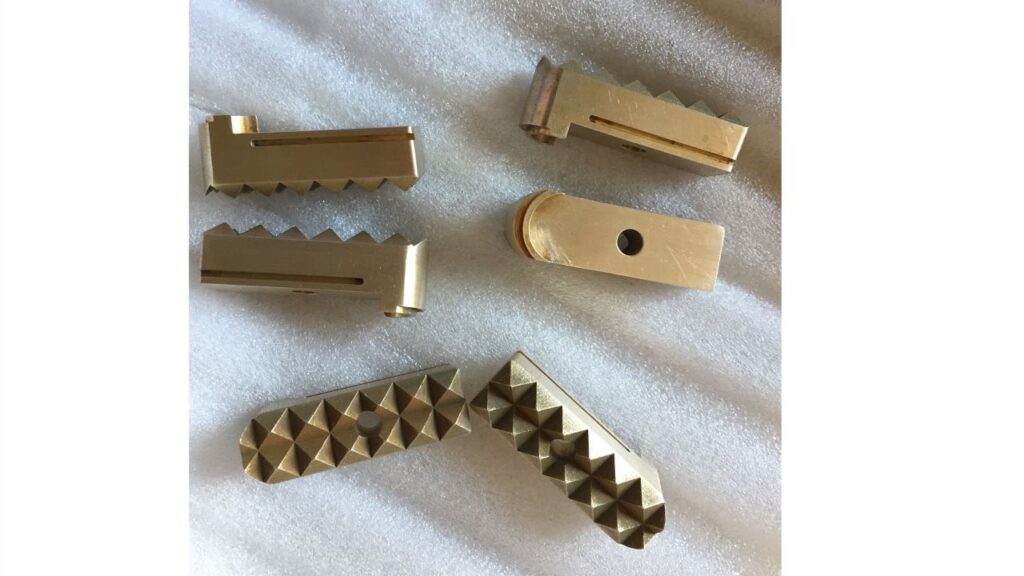
Brass and Copper
Brass and copper are frequently used for:
- electrical components
- fittings
- decorative parts
Brass in particular is easy to machine and produces smooth surface finishes.
Engineering Plastics
Many CNC milled parts are made from plastics such as:
- POM (Delrin)
- Nylon
- PTFE
- ABS
- Polycarbonate
Plastic machining is common in medical devices, electronics housings, and prototype components. Many buyers source these parts through custom CNC machining services when small batches or prototypes are required.
Where Is CNC Milling Used in Industry?
CNC milling is used across many industries because it supports both prototype and production manufacturing.
For parts that require high precision and complex geometries, CNC milling service is widely used in industries such as automotive, medical, and industrial equipment.
Some common applications include:
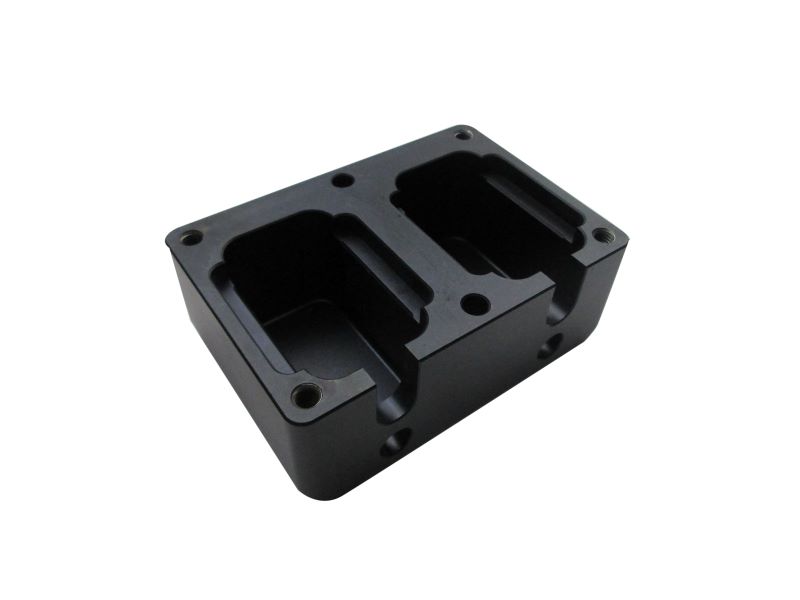
Industrial Machinery Components
Equipment manufacturers often require precision-machined components such as:
- mounting plates
- housings
- brackets
- shafts
Many packaging machine manufacturers rely on custom CNC parts for assembly systems.
Automotive Components
CNC milling is used to produce various automotive parts including:
- custom brackets
- engine components
- sensor housings
Many aftermarket automotive brands also rely on CNC machining for custom metal accessories.
Medical Equipment Parts
Certain medical device assemblies require small batches of precision-machined components.
These parts often require tight tolerances and clean surface finishes.
Tooling and Fixtures
Manufacturing plants often need custom tooling, including:
- jigs
- fixtures
- assembly tools
CNC milling allows these tools to be produced quickly from CAD models.
Real CNC Milling Examples in Manufacturing
In many machining projects, CNC milling is used for parts that require
flat surfaces, precise pockets, or complex geometries.
Typical examples include:
Aluminum brackets for automotive systems
These parts require accurate hole positioning and flat mounting surfaces.

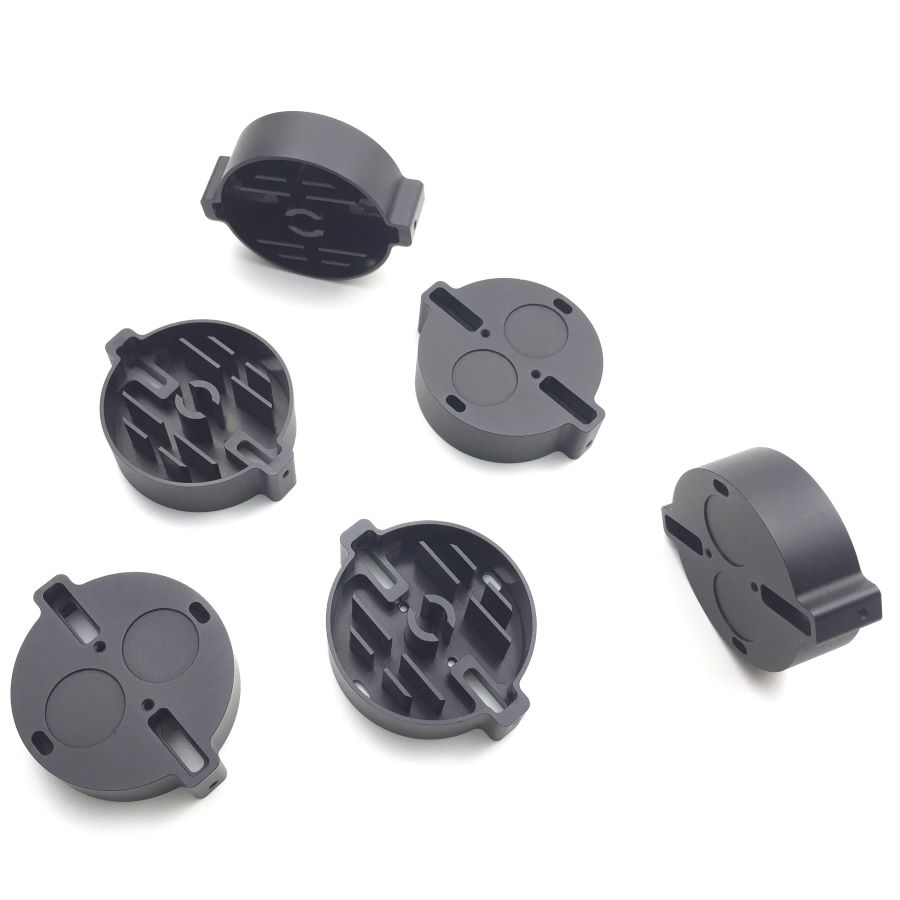
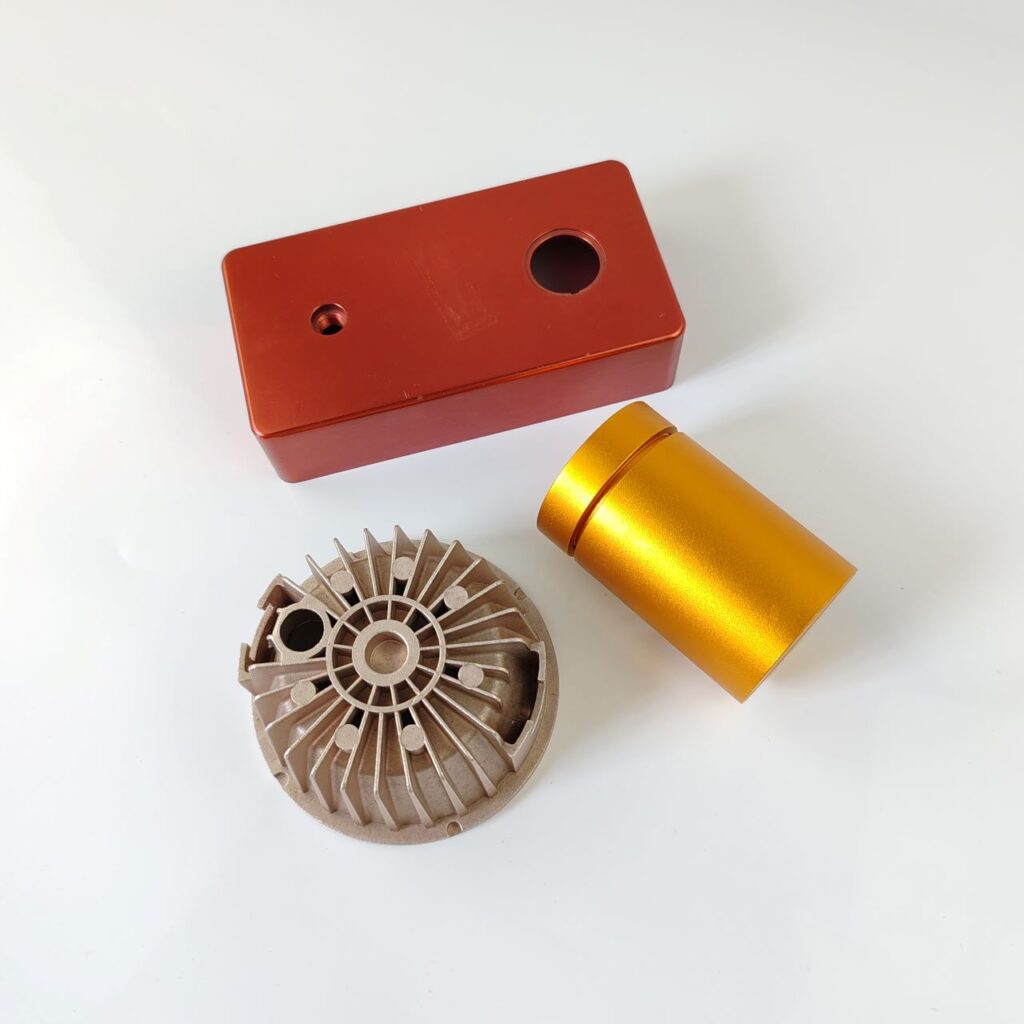
Heat sinks for electronics
CNC milling is used to create multiple fins to improve heat dissipation.
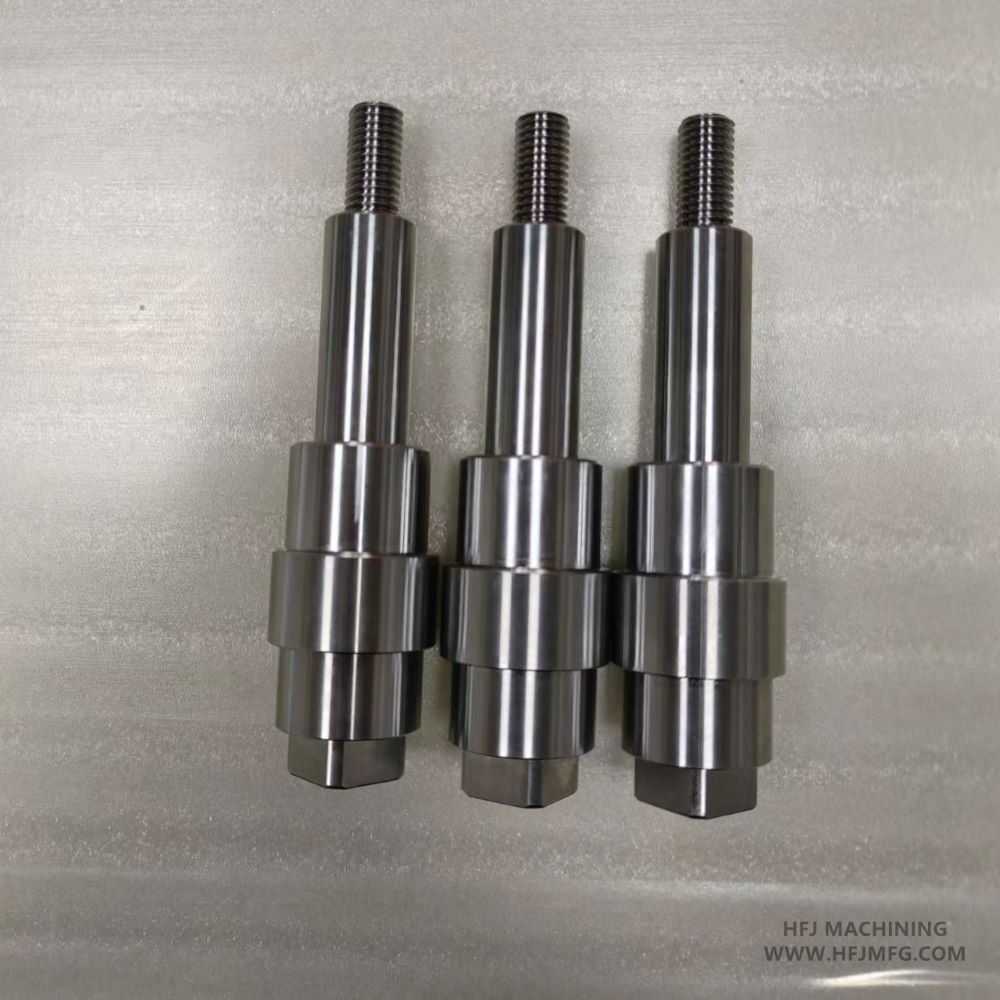
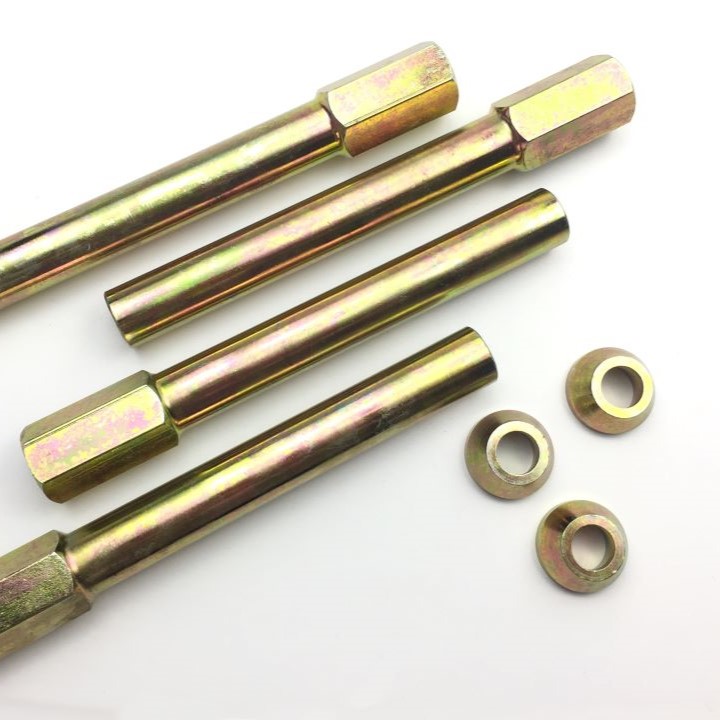
Stainless steel shafts with milled keyways
Turning creates the round shape, while milling adds slots or key features.
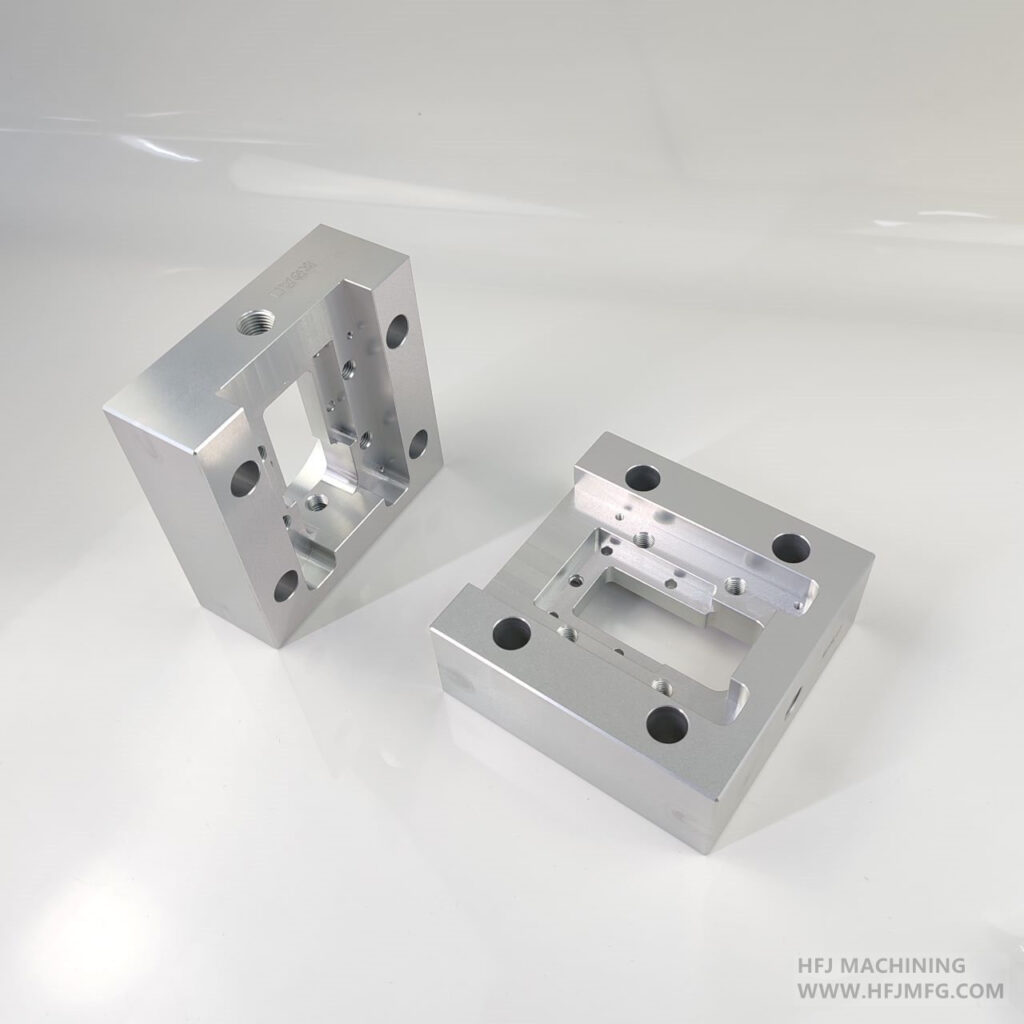
Precision aluminum housings with complex cavities
Multi-axis CNC milling is commonly used to machine complex geometries,
including deep cavities, multiple faces, and precise hole positioning.
The part shown below is a typical example of a multi-face machined aluminum component,
which requires 5-axis CNC milling to achieve tight tolerances and consistent accuracy.
Machining Insights from Real Production
In practical machining, engineers often encounter challenges during CNC milling.
For example, thin-wall aluminum parts below 2 mm may deform during machining.
To reduce deformation, machinists typically:
- reduce cutting forces
- leave finishing allowance
- apply multiple finishing passes
Tool selection and fixture design also play a critical role
in maintaining dimensional stability.
Common Challenges in CNC Milling Projects
While CNC milling is widely used across industries, there are still several challenges engineers often encounter. Here are several issues often encountered when sourcing CNC milling parts.
Overly Tight Tolerances
One common issue buyers face is specifying unnecessarily tight tolerances.
For example, requesting ±0.01 mm for a non-critical bracket may increase machining time significantly without improving part performance.
It is often better to apply tight tolerances only where necessary.
Poor Design for Machining
Certain design features are difficult to machine, such as:
- extremely deep pockets
- sharp internal corners
- thin walls
When these features appear in a design, machining time increases and tool wear becomes a concern. In these situations, some manufacturers may also use processes like Wire EDM machining to produce sharp internal corners or complex profiles.
Incomplete Drawings
A drawing that lacks clear specifications may cause production delays.
Important information should include:
- tolerances
- surface finish
- material grade
- heat treatment (if required)
How to Choose CNC Milling Services for Custom Parts?
When selecting a machining supplier, several factors are worth evaluating.
Check Multi-Axis Capability
Suppliers with 3-axis, 4-axis, and 5-axis machining centers can often produce complex parts more efficiently.
Ask for DFM Feedback
Experienced machining suppliers can review drawings and suggest improvements to reduce machining cost or improve manufacturability.
Evaluate Inspection Processes
Reliable suppliers usually perform inspection during production and before shipment to ensure parts meet specifications.
Confirm Surface Finishing Options
Many parts require finishing processes such as:
- anodizing
- powder coating
- electroplating
- laser engraving
These processes may be handled by partner facilities as part of the overall manufacturing workflow. Some suppliers can provide these through integrated surface finishing services.

Conclusion
CNC milling is a fundamental manufacturing process used to produce precision metal and plastic components.
By combining digital design with automated machining, it allows manufacturers to create complex parts with high repeatability and tight tolerances.
For engineers and procurement managers, understanding how CNC milling works can help with:
- evaluating suppliers
- optimizing part design
- reducing manufacturing costs
- improving production efficiency
Why Many Buyers Source CNC Milling in China?
Many North American equipment manufacturers source CNC milling parts from China when parts require mid-volume production and competitive pricing.
Need Help with CNC Milling Parts?
If you are sourcing parts and evaluating suppliers for CNC machining services, feel free to send your drawings to HFJ for review.
Our team supports custom machining projects ranging from prototype parts to mid-volume production, with capabilities including multi-axis CNC machining, wire EDM, grinding, stamping, and assembly services.
We will review your design and provide feedback on manufacturability, material selection, and cost optimization before production begins.