
Introduction
In many machining projects, engineers eventually run into a limitation:
some features are simply too complex or too precise for conventional cutting tools.
Typical examples include:
- very sharp internal corners
- narrow slots
- complex contours in hard materials
This is where Wire EDM machining becomes a practical solution.
Unlike traditional machining processes such as milling or turning, Wire EDM does not rely on physical cutting force. Instead, it uses electrical discharge to remove material.
Today, Wire EDM is often used alongside CNC machining services when parts require high precision or features that are difficult to achieve with standard tools.
What Is Wire EDM Machining?
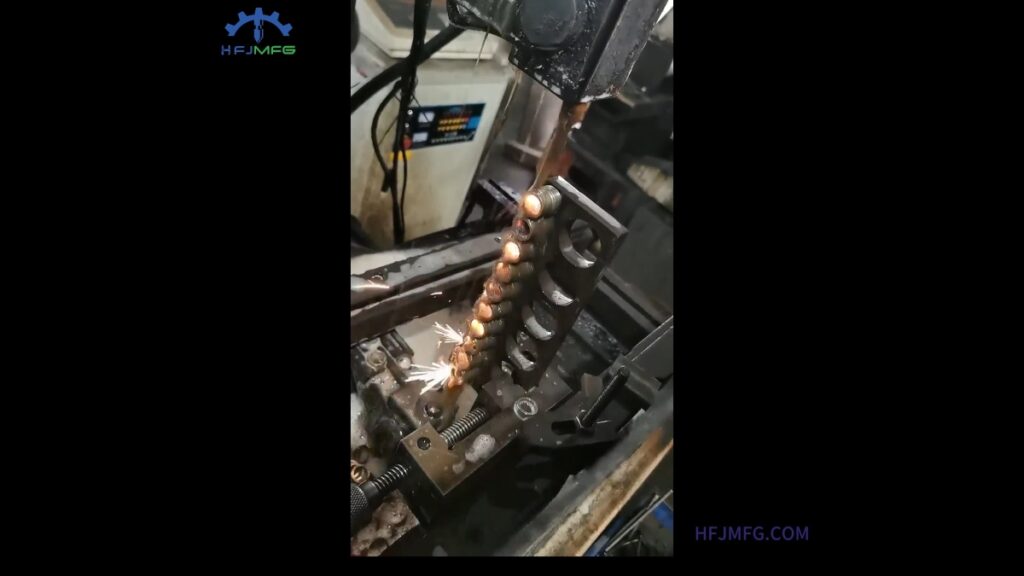
Wire EDM (Electrical Discharge Machining) is a process that uses a thin electrically charged wire to cut through metal.
Instead of cutting mechanically, the process works by:
- generating electrical sparks
- eroding material along a programmed path
The wire never physically “cuts” the material. There is no direct contact force.
This allows Wire EDM to machine:
- very hard materials
- delicate features
- extremely tight geometries
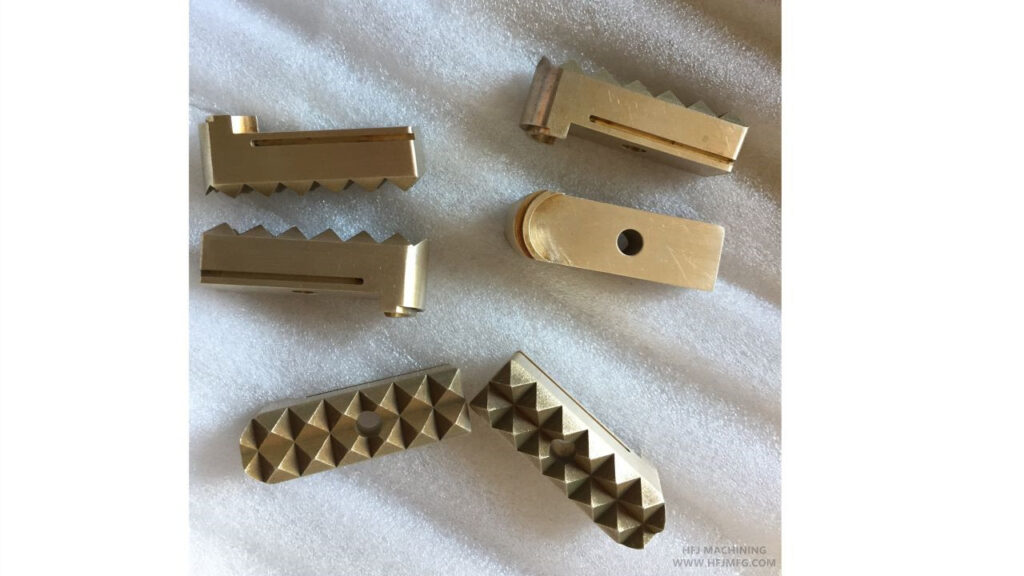
In many cases, it is used when CNC milling service cannot achieve the required internal features.
How the Wire EDM Process Works
The process may look simple from the outside, but several steps are involved.
1. Programming the Path
Similar to CNC machining, the process starts with a CAD model.
A CAM program defines:
- cutting path
- wire movement
- cutting speed
2. Setup and Fixturing
The workpiece is fixed on the machine table and submerged in dielectric fluid.
This fluid helps:
- control the spark
- cool the part
- remove debris
3. Electrical Discharge Cutting
The wire moves along the programmed path while electrical discharges remove material.
Because there is no cutting force:
- thin walls are less likely to deform
- delicate features can be maintained
4. Finishing Passes
For high precision parts, multiple passes may be used to improve:
- surface finish
- dimensional accuracy
Why Engineers Use Wire EDM
Wire EDM is not always the fastest process, but it solves specific problems that other methods cannot.
1. Sharp Internal Corners
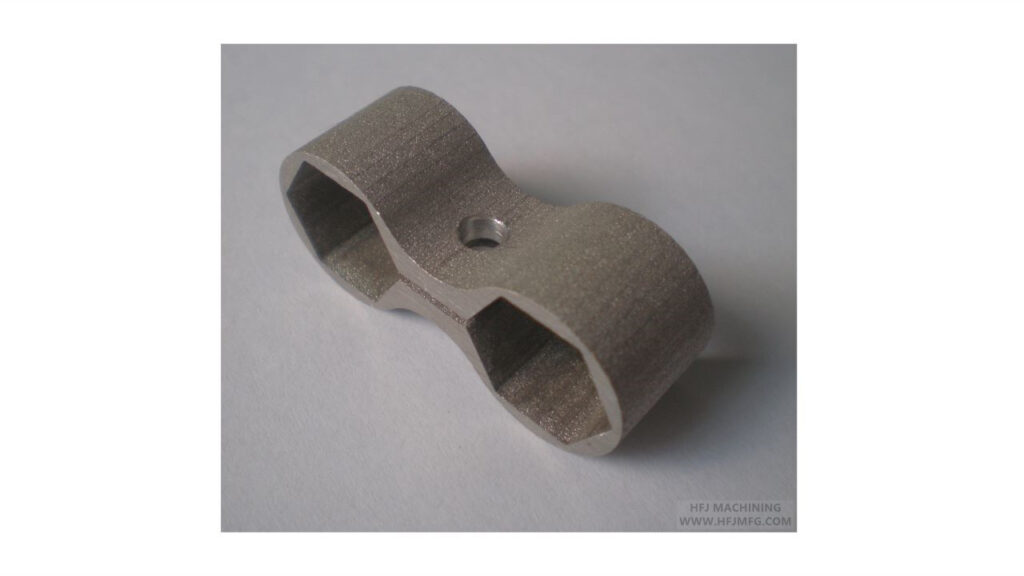
Traditional milling tools are round, which means internal corners always have a radius.
Wire EDM can produce:
- near-zero radius internal corners
- sharp profiles
2. Hard Materials
Wire EDM works well on hardened materials such as:
- tool steel
- hardened stainless steel
- carbide (in some cases)
Because the process is thermal, not mechanical.
3. Thin or Delicate Parts
In many machining projects, thin-wall parts deform under cutting force.
Wire EDM avoids this issue because:
- there is no mechanical pressure
- material removal is controlled by sparks
Common Applications of Wire EDM
Wire EDM is widely used in industries that require precision and complex geometry.
1. Tooling and Dies
Wire EDM is commonly used to produce:
- stamping dies
- mold inserts
- punches
This is especially useful in metal stamping service where tooling accuracy directly affects part quality.
2. Precision Mechanical Components
Parts with:
- narrow slots
- keyways
- intricate profiles
are often machined using EDM.
3. Aerospace and Medical Components
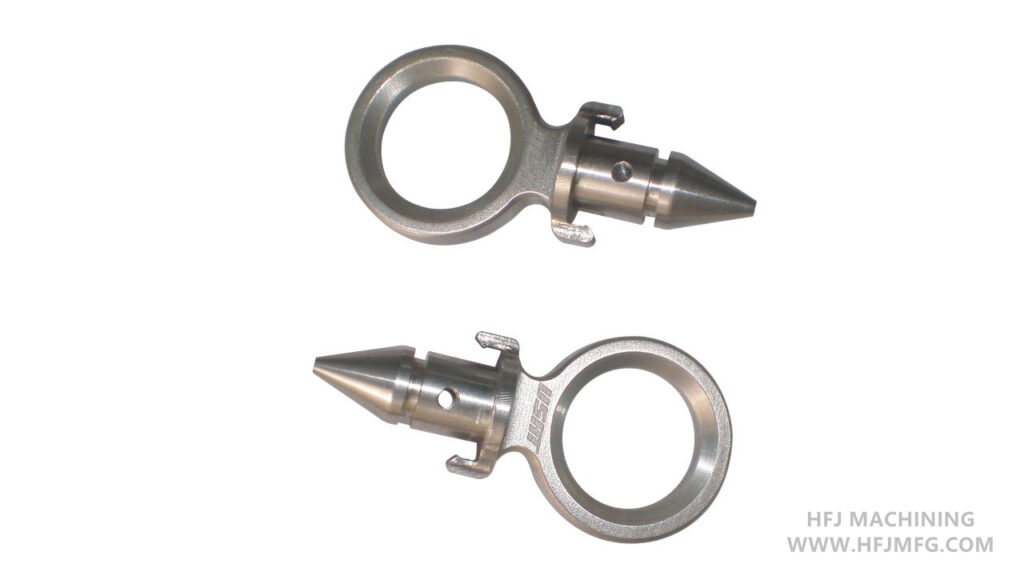
These industries often require:
- tight tolerances
- difficult-to-machine materials
Wire EDM is suitable for low to medium volume precision parts.
Wire EDM vs CNC Milling: When to Choose?
This is a common question for both engineers and buyers.
1. Choose CNC Milling When:
- the part has open features
- internal corners can have radius
- higher material removal rate is needed
2. Choose Wire EDM When:
- sharp internal corners are required
- material is hardened
- geometry is too complex for cutting tools
In many real-world projects, both processes are used together.
For example:
- milling for rough shape
- EDM for finishing critical features
Common Challenges Buyers Face
1. Assuming EDM Replaces CNC Machining
One common misunderstanding is thinking Wire EDM can replace milling.
In reality:
- EDM is slower
- more expensive per hour
It is usually used only where necessary.
2. Design Not Optimized for EDM
Designs with unnecessary EDM features can increase cost.
For example:
- specifying sharp corners where a radius is acceptable
- using EDM for large material removal
Lack of Process Planning
Without proper planning, parts may require:
- multiple setups
- additional machining steps
This affects both cost and lead time.
Practical Tips When Sourcing Wire EDM Services
1. Use EDM Only Where Needed
EDM is powerful, but not always necessary.
A good approach:
- use milling for general features
- use EDM for critical areas
2. Work with Suppliers Offering Multiple Processes
Parts often require a combination of:
- milling
- turning
- EDM
- grinding
HFJ provides Wire EDM along with CNC machining and grinding services, which helps streamline production and reduce coordination issues between different vendors.
3. Confirm Tolerance and Surface Finish
EDM can achieve high precision, but requirements should be clearly defined.
For example:
- critical dimensions
- surface finish requirements
4. HFJ Machining Insight
For parts with narrow internal slots below 1 mm width, Wire EDM is often more stable than micro-milling.
In these cases, we usually:
- perform rough cutting first
- then apply a finishing pass
This helps maintain dimensional accuracy and reduce wire marks on the surface.
Conclusion
Wire EDM machining is a specialized process used for precision features that are difficult or impossible to achieve with conventional machining.
It is not a replacement for CNC machining, but a complementary process.
Understanding when to use Wire EDM helps:
- improve part design
- reduce unnecessary cost
- ensure manufacturability
Need Help Evaluating Your Design?
If you are working on a part that includes sharp corners, narrow slots, or hardened materials, and you’re not sure whether Wire EDM is required, feel free to send your drawings to HFJ for review. Our engineering team can help you choose the right combination of processes — including CNC machining services, Wire EDM, and service finishing — to achieve your design efficiently.