
Introduction
In many CNC machining projects, one of the first questions buyers ask is:
“How much will this part cost?”
The challenge is that CNC machining pricing is not fixed.
Two parts that look similar can have very different costs depending on design, material, and tolerance requirements.
In this guide, we’ll break down what actually affects CNC machining cost — based on real production experience — and how you can estimate and reduce your project budget.
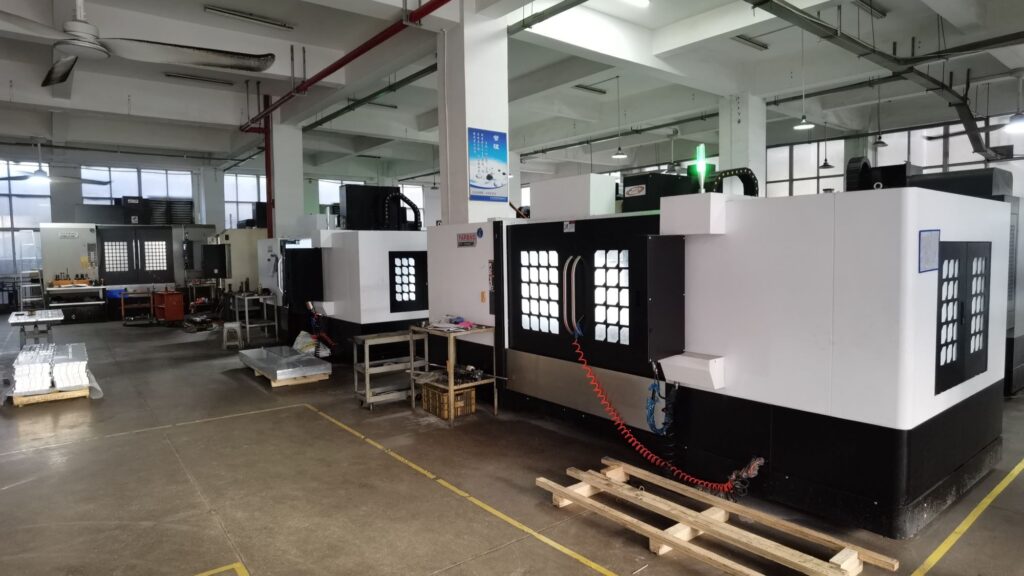
What Determines CNC Machining Cost?
CNC machining cost is mainly influenced by the following factors:
1. Part Geometry
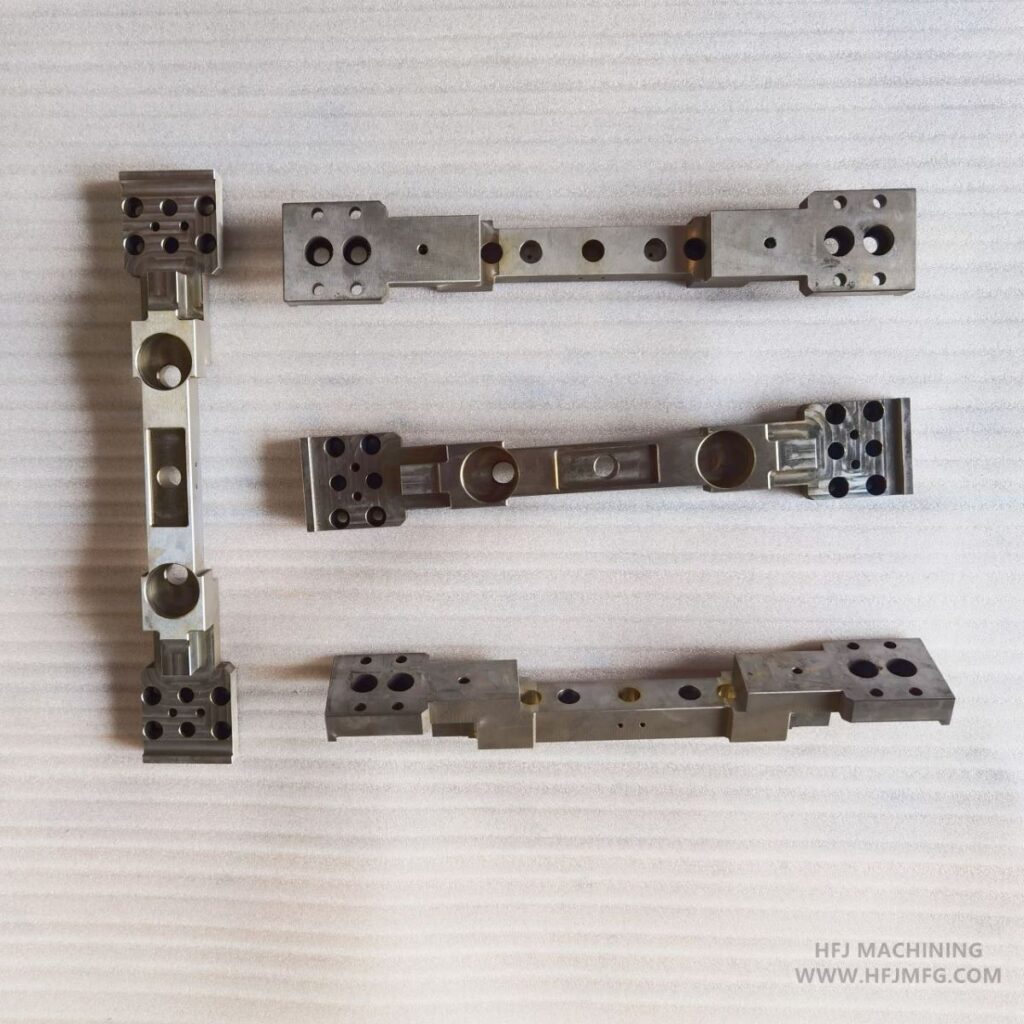
Complex parts require more machining time and setup.
Engineers often see cost increase when:
- Deep cavities require long tools
- Sharp internal corners need special machining
- Thin walls require slower cutting speeds
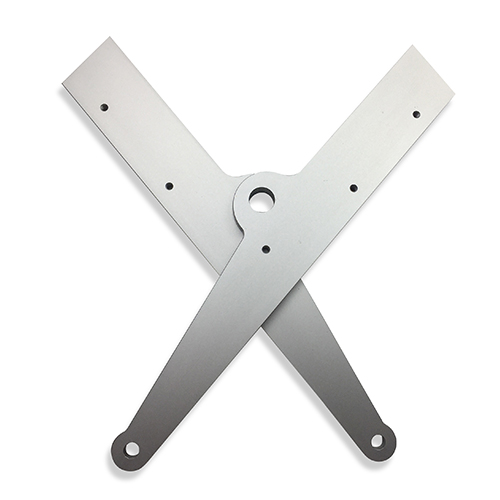
For example, a simple block with holes is much cheaper than a multi-surface housing with pockets and ribs.
2. Material Selection
Material choice directly affects machining difficulty and tool wear.
Typical cost differences:
- Aluminum → easiest to machine, lower cost
- Steel / Stainless steel → harder, higher tool wear
- Plastics (POM, Nylon) → generally faster machining
One common issue buyers face is selecting high-performance materials where they are not necessary, increasing cost without improving function.
3. Tolerances
Tighter tolerances increase machining time and inspection requirements.
Typical ranges:
- Standard: ±0.1 mm
- Precision: ±0.01 mm
- High precision: ±0.005 mm or tighter
In many machining projects, over-specifying tolerances can significantly increase cost without improving real performance.
Learn more about tolerance in CNC machining here: CNC machining tolerance.
4. Quantity
Quantity affects cost per part significantly.
- Prototype (1–10 pcs) → highest unit cost
- Small batch (50–500 pcs) → balanced cost
- Mass production → lowest unit cost
Setup time is distributed across more parts in larger batches.
5. Surface Finishing
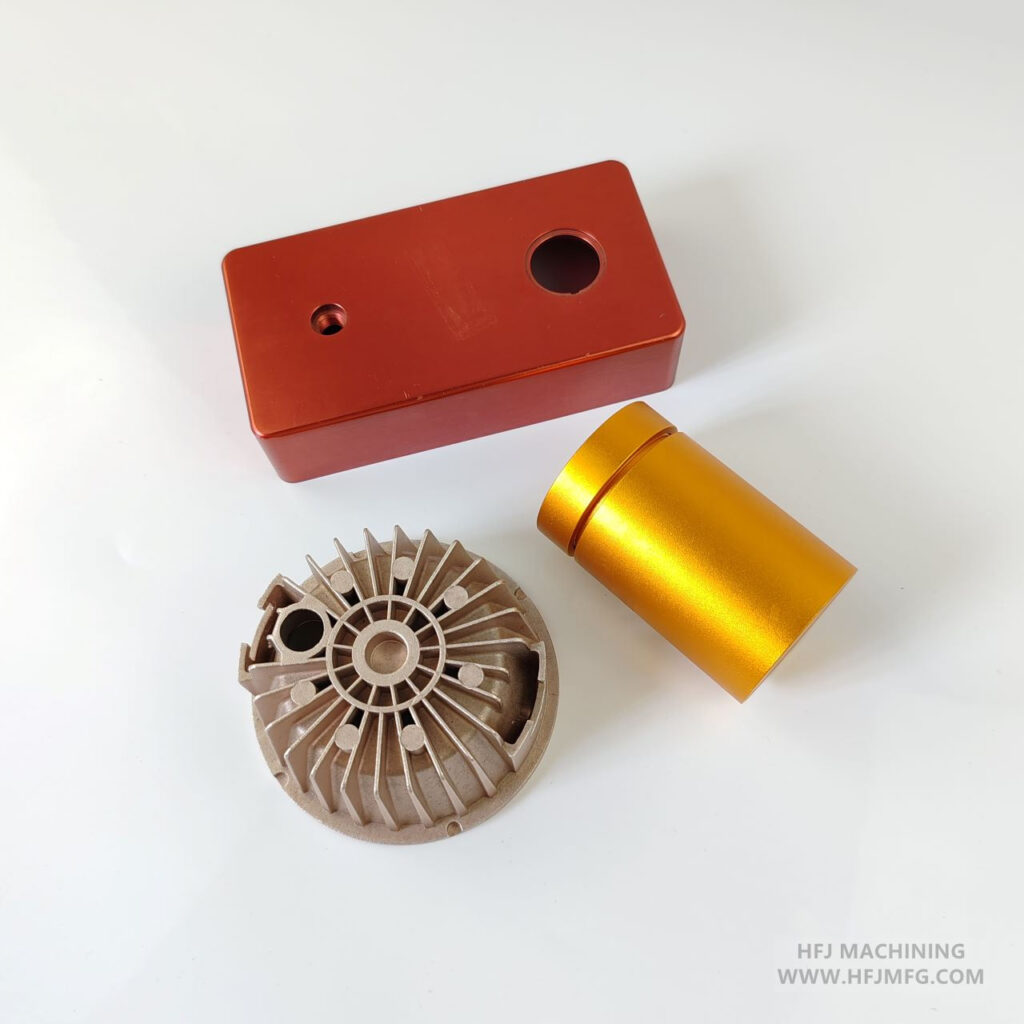
Additional finishing processes add cost.
Common examples:
- Anodizing
- Powder coating
- Plating
Each adds:
- Extra processing time
- Additional handling
- Potential tolerance changes

Typical CNC Machining Cost Range
While exact pricing depends on the project, here are general references:
| Project Type | Typical Cost |
|---|---|
| Simple aluminum part | $1 – $50 |
| Medium complexity part | $50 – $200 |
| High precision / complex | $200+ |
In many cases, cost varies more due to design complexity than material itself.
Why CNC Machining in China Is Often More Cost-Effective
In many projects, buyers find that CNC machining in China offers better cost-performance balance.
This is mainly due to:
- Mature supply chain for raw materials
- Efficient production workflows
- Experienced operators handling similar parts repeatedly
However, cost should not be evaluated alone.
Engineers often encounter problems when choosing suppliers based only on price, such as:
- Dimensional inconsistency
- Rework due to tolerance issues
- Delays caused by communication gaps
A stable machining process is often more important than the lowest quote.
If you are looking for a reliable CNC machining partner, you can also check our CNC machining service page.
How to Reduce CNC Machining Cost (Practical Tips)
In real projects, cost reduction usually comes from design optimization rather than negotiation.
Here are practical ways:
1. Avoid Unnecessary Tight Tolerances
Only apply tight tolerances to critical features.
2. Simplify Geometry
Reduce:
- Deep pockets
- Thin walls
- Complex internal features
3. Choose Machinable Materials
If possible, use:
- Aluminum instead of stainless steel
- POM instead of high-performance plastics
4. Standardize Features
Use standard:
- Hole sizes
- Thread types
- Radii
5. Consider Batch Production
Combining orders can significantly reduce unit cost.
HFJ Machining Insight
In many projects, we find that small design changes can reduce cost by 20–40% without affecting function.
For example:
- Increasing internal corner radius to match tool size
- Adjusting wall thickness for better rigidity
- Relaxing non-critical tolerances
We usually review drawings before production and suggest practical changes based on machining conditions.
When Should You Request a Quote?
If your part involves:
- Tight tolerances
- Assembly requirements
- Multiple processes (machining + finishing)
- Uncertain material selection
It is better to request a quote early and get engineering feedback.
Conclusion
CNC machining cost is not just about material or size.
It is a combination of design, tolerance, process, and production planning.
Understanding these factors helps avoid unnecessary cost and production issues.
To better understand our capabilities and supported materials, you can visit our custom CNC machining services page.
If you are sourcing CNC parts and need help evaluating a drawing,
feel free to send your drawings to HFJ for review.