
Introduction
CNC milling is widely used to produce precision parts across industries.
However, in many machining projects, problems can still occur that affect part quality, lead time, and cost.
Engineers often encounter issues such as deformation, poor surface finish, and dimensional inconsistency during production.
Understanding these problems early helps reduce risk and avoid costly rework.
To better understand how these issues occur, it is helpful to first understand the CNC milling process.
Deformation in Thin-Wall Parts
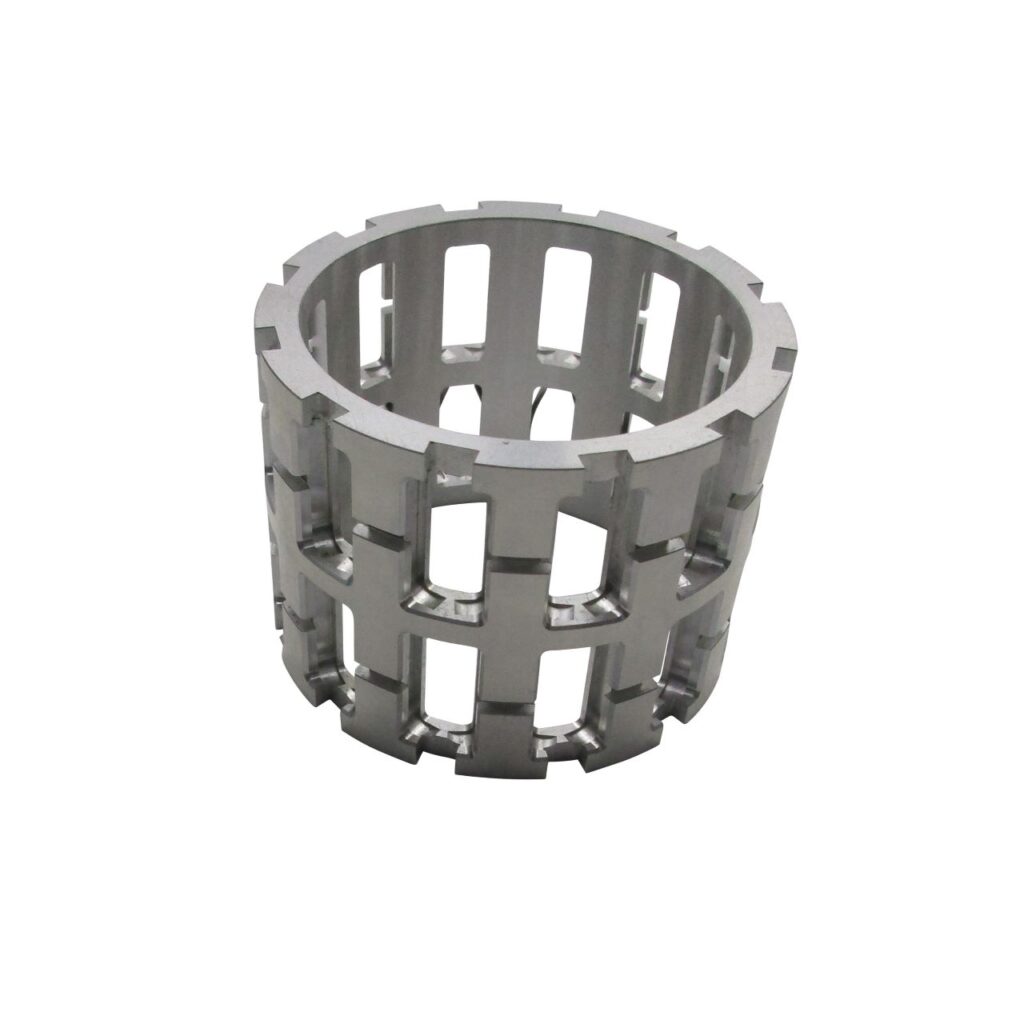
One common issue buyers face is deformation in thin-wall components.
During machining, cutting forces can cause the part to bend or distort, especially when wall thickness is low.
In many machining projects, this problem becomes more significant when tight tolerances are required.
Reducing cutting force, optimizing toolpaths, and using proper fixturing are common ways to minimize deformation.
Dimensional Inaccuracy
Maintaining dimensional accuracy is critical in precision machining.
However, factors such as tool wear, thermal expansion, and machine vibration can lead to deviations.
In many machining projects, this issue becomes more noticeable in complex geometries or multi-axis machining.
Tolerance requirements should be carefully evaluated to balance accuracy and cost.
Burr Formation
Burrs are small unwanted edges that remain after machining.
They can affect assembly, safety, and final part quality.
One common issue buyers face is underestimating the need for deburring or secondary finishing.
Proper tool selection and post-processing steps are often required to remove burrs effectively.
Tool Wear and Tool Breakage
Tool wear is unavoidable in CNC milling, especially when machining hard materials.
Excessive tool wear can lead to inconsistent dimensions and poor surface quality.
Engineers often encounter tool breakage when cutting parameters are not optimized.
Monitoring tool condition and adjusting feeds and speeds can significantly improve machining stability.
Material-Related Issues
Different materials behave differently during machining.
For example, aluminum is easier to machine, while stainless steel generates more heat and tool wear.
Material selection plays an important role in machining performance and problem occurrence.
Choosing the right material can reduce machining difficulty and improve consistency.
How to Avoid CNC Milling Problems
Avoiding CNC milling problems requires both proper design and machining strategy.
In many machining projects, early design decisions have a direct impact on manufacturability.
To reduce risks:
- Avoid overly thin walls
- Do not over-specify tight tolerances
- Consider machining accessibility
- Communicate functional requirements clearly
Working with an experienced CNC machining partner can help identify potential issues early and improve overall production efficiency.
Conclusion
CNC milling problems are common, but most can be avoided with proper planning and engineering support.
Understanding these issues helps engineers and buyers make better decisions and reduce production risks.
If you are experiencing machining issues or want to avoid potential problems in your CNC milling project, feel free to send your drawings to HFJ for review.
HFJ machining insight
HFJ machining insight:
For thin-wall aluminum parts below 2 mm, we usually reduce feed rate and apply a finishing pass to control deformation.
In some cases, multi-step machining combined with optimized fixturing helps maintain dimensional stability.