
Introduction
In CNC milling projects, tolerance requirements directly affect machining cost, production time, and part performance.
In many cases, engineers specify tight tolerances without fully understanding how they impact manufacturability.
To better understand how tolerance is achieved during machining, it is important to first understand the CNC milling process.
This guide explains typical CNC milling tolerances, what factors influence accuracy, and how to make practical decisions when designing parts.
What Are CNC Milling Tolerances?
CNC milling tolerance refers to the allowable variation in a part’s dimensions.
It defines how closely the machined part must match the design specifications.
Tighter tolerances require more precise machining processes, which typically increase cost and production time.
Typical CNC Milling Tolerances
| Feature Type | Typical Tolerance |
| General dimensions | ±0.01 mm |
| Precision features | ±0.005 mm |
| Hole diameter | ±0.01 mm |
| Flatness | ±0.01–0.02 mm |
Actual achievable tolerances may vary depending on material, part geometry, and machining conditions.
Factors That Affect CNC Milling Tolerance
Several factors influence the achievable tolerance in CNC milling:
Material
Different materials behave differently during machining. For example, aluminum is easier to control, while stainless steel generates more heat and tool wear.
Part geometry
Thin walls, deep cavities, and complex features are more difficult to machine accurately.
Machine capability
Machine rigidity and spindle accuracy directly affect precision.
Tool wear
Worn tools can lead to dimensional variation over time.
Material selection also plays an important role in machining performance. You can learn more about common CNC milling materials and how they affect machining results.
Real CNC Milling Tolerance Example
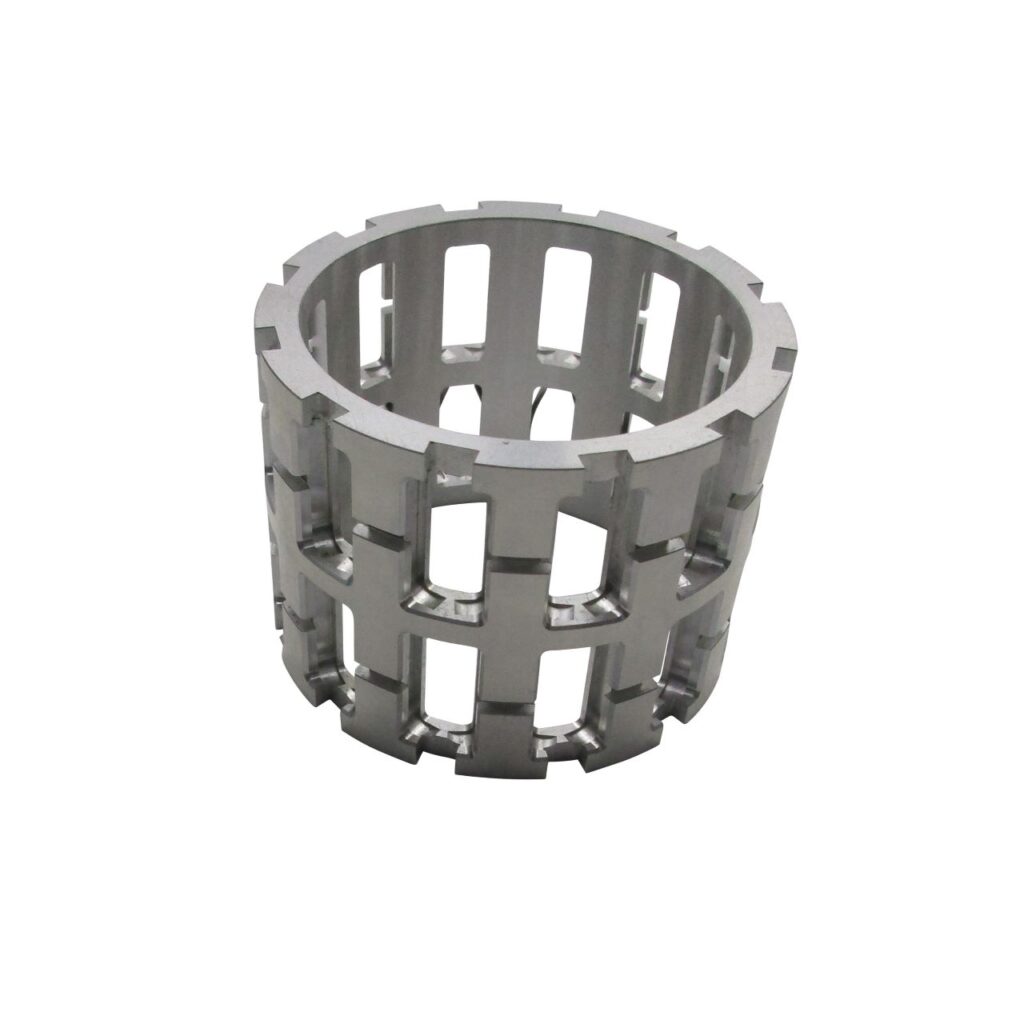
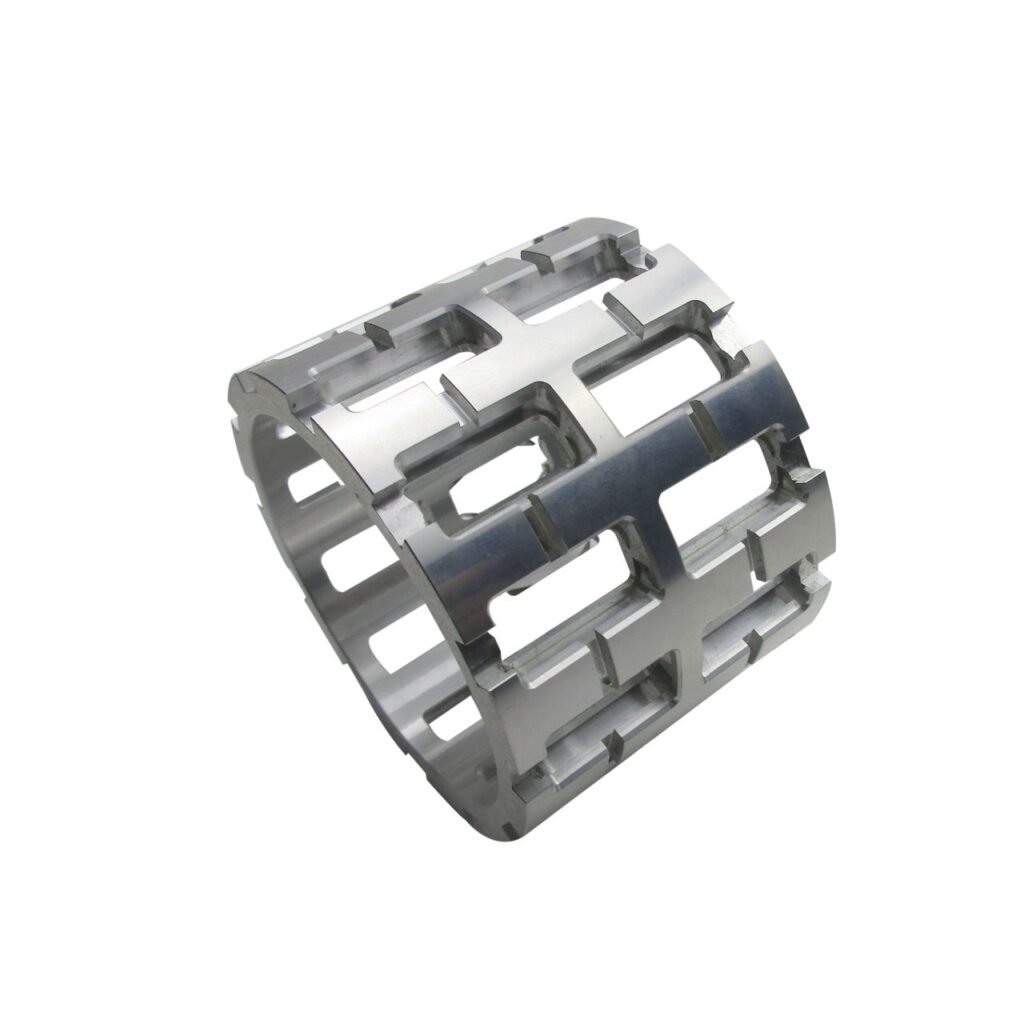
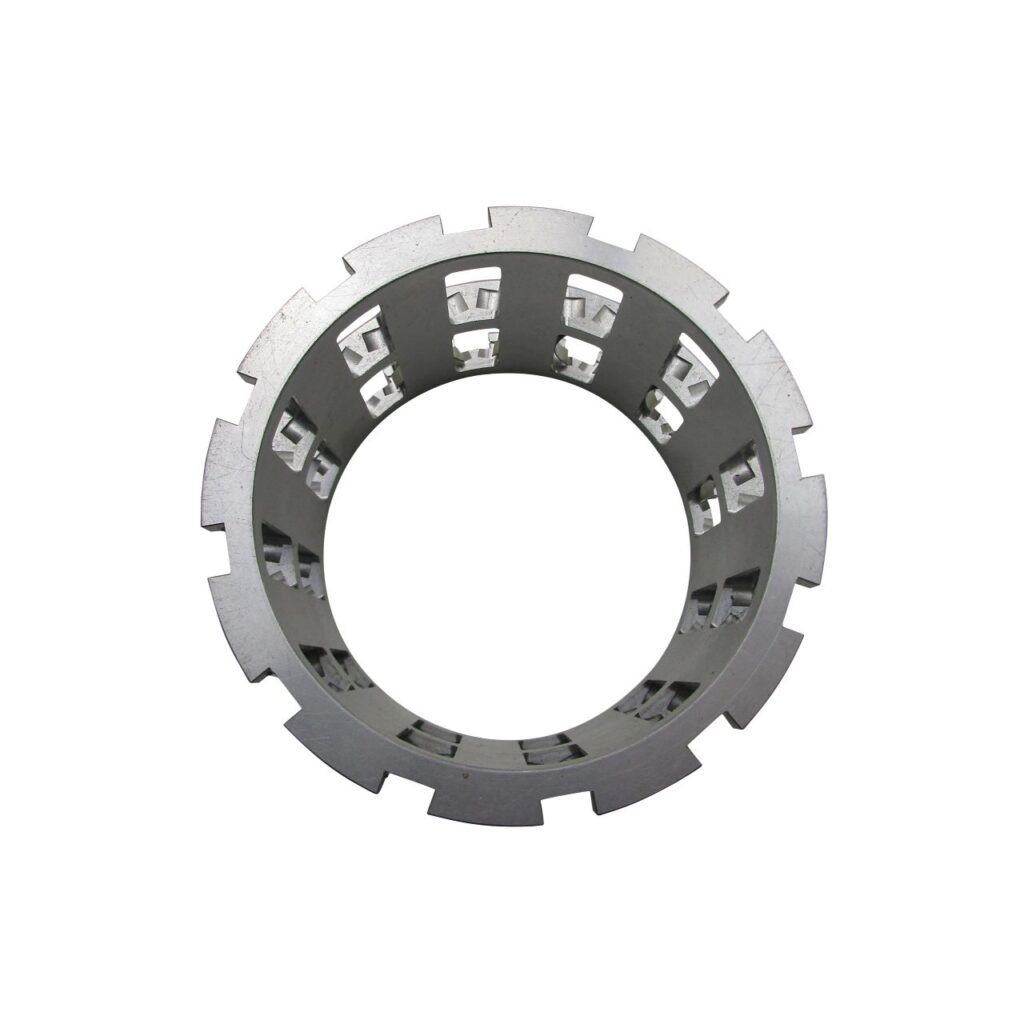
This aluminum component includes multiple precision holes and complex internal geometry.
In similar CNC milling projects, maintaining concentricity between holes and overall dimensional stability is a common challenge.
Multi-axis machining and careful fixture design are often required to achieve consistent tolerances.
In many machining projects, features like these often require multiple setups or multi-axis machining to maintain accuracy.
Common Tolerance Challenges
Engineers often encounter several challenges when specifying CNC milling tolerances:
- Deformation in thin-wall parts
- Thermal expansion during machining
- Burr formation affecting measurements
- Difficulty maintaining consistency in batch production
In many machining projects, over-specifying tolerances can significantly increase cost without improving functionality.
Practical Tips for Buyers
When specifying tolerances for CNC milling parts:
- Avoid unnecessary tight tolerances
- Clearly define critical dimensions
- Consider material behavior during machining
- Communicate functional requirements instead of only numbers
Working with an experienced CNC machining service provider can help evaluate tolerance feasibility and optimize production cost.
Conclusion
CNC milling tolerances are a key factor in determining both part quality and manufacturing cost.
Understanding what affects machining accuracy helps engineers make better design decisions and avoid unnecessary production challenges.
If you are working on a CNC milling project and need help evaluating tolerance requirements or part design, feel free to send your drawings to HFJ for review.