
Introduction
In many CNC machining projects, tolerance is one of the most misunderstood factors.
Engineers often specify tight tolerances to ensure part performance, but in practice, unnecessary precision can significantly increase machining cost and lead time.
Understanding what tolerances are achievable — and when they are really needed — is critical for both design and sourcing decisions.
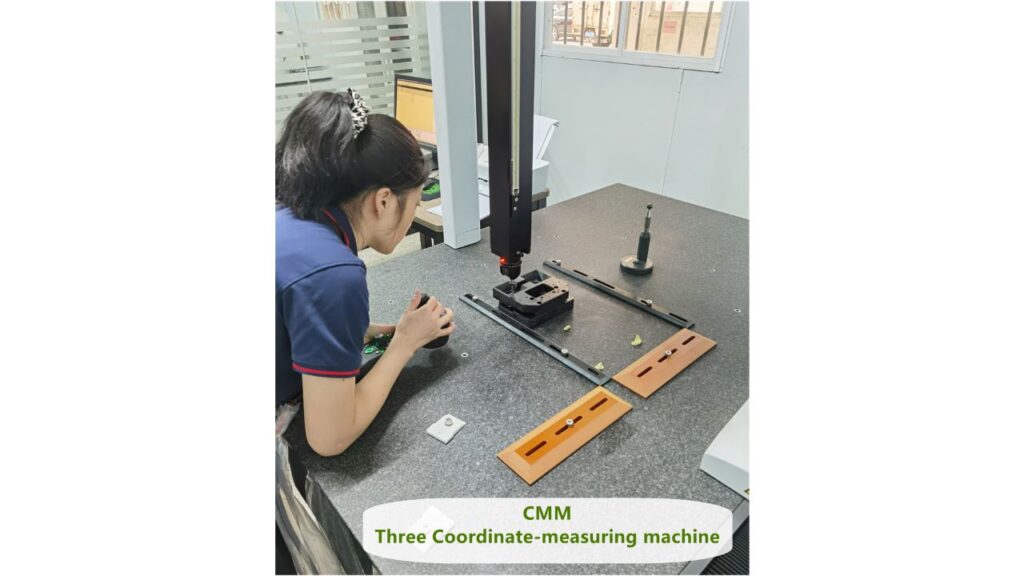
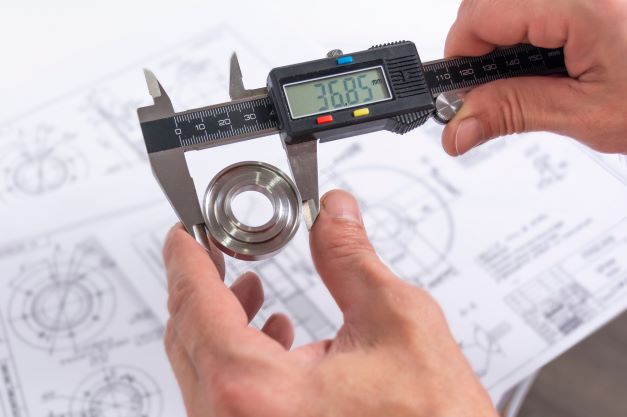
What is CNC Machining Tolerance?
Tolerance refers to the allowable variation in a part’s dimension.
For example, a dimension of 10 mm ±0.01 mm means the final part can range between 9.99 mm and 10.01 mm.
In CNC machining, tolerance is affected by multiple factors including:
- Machine accuracy
- Material behavior
- Tool wear
- Setup stability
Standard CNC Machining Tolerances
In most machining projects, general tolerances follow international standards such as ISO 2768.
Typical ranges include:
- General tolerance: ±0.1 mm
- Precision machining: ±0.01 mm
- High-precision applications: ±0.005 mm or tighter
However, these values can vary depending on part geometry and material.
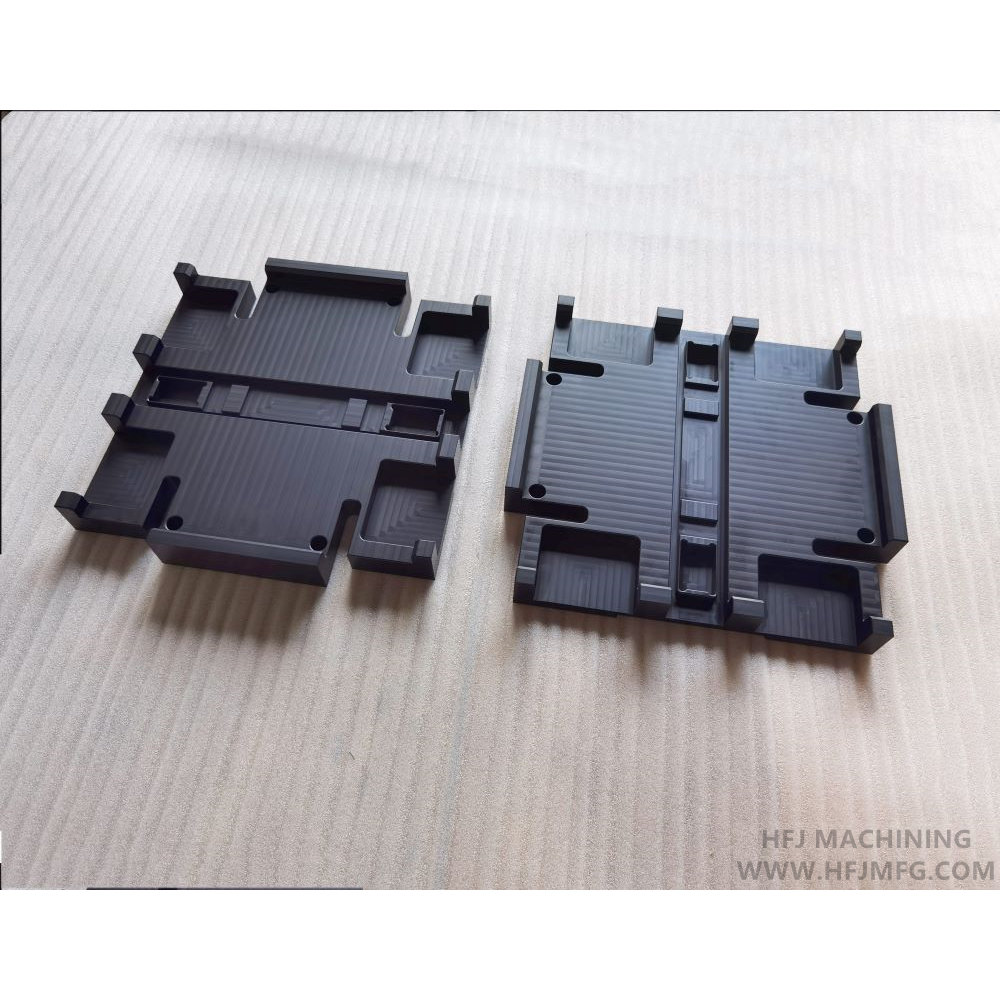
What Tolerances Can Actually Be Achieved?
In real machining environments, achievable tolerances depend on part type.
For example:
- Simple turned shafts can often achieve tighter tolerances due to stable geometry
- Thin-wall aluminum parts may deform during machining
- Large parts are harder to control due to thermal expansion
HFJ Machining Insight:
For thin-wall aluminum parts below 2 mm,
we usually reduce feed rate and perform a finishing pass
to control deformation and maintain tolerance.
Why Tight Tolerances Increase Cost
One common issue buyers face is specifying tighter tolerances than necessary.
In many cases, tighter tolerances require:
- Slower machining speeds
- More finishing passes
- Additional inspection processes
- Higher scrap risk
This can significantly increase cost without improving part performance.
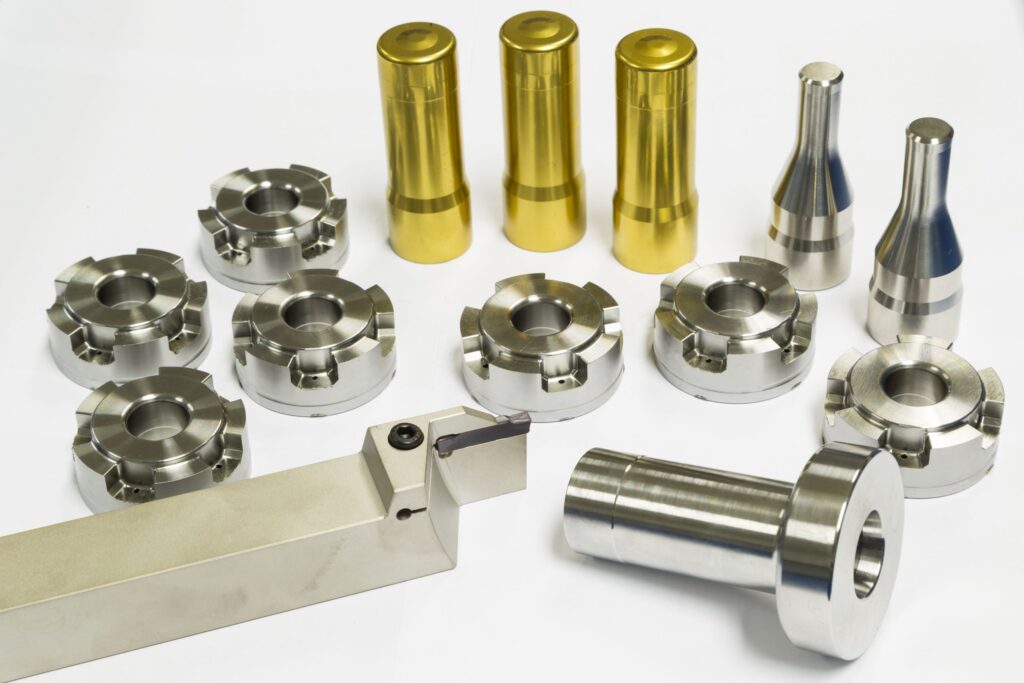
Where Tight Tolerances Are Actually Needed
Not all features require the same level of precision.
Tight tolerances are typically critical for:
- Mating surfaces
- Bearing fits
- Sealing interfaces
- Alignment-critical features
For non-functional areas, looser tolerances are often acceptable and more cost-effective.
Common Tolerance Mistakes in CNC Projects
Engineers often encounter issues such as:
- Applying tight tolerances to all dimensions
- Ignoring material deformation
- Not considering machining feasibility
- Overlooking tolerance stack-up in assemblies
In many projects, these mistakes lead to increased cost and production delays.
How to Specify Tolerances More Effectively
To optimize machining cost and performance, it is recommended to:
- Apply tight tolerances only to critical features
- Use general tolerances where possible
- Consider material and geometry limitations
- Consult with the supplier before finalizing drawings
If you are also comparing machining methods, you can read our guide on CNC milling vs CNC turning.
Tolerance vs Cost: A Practical Example
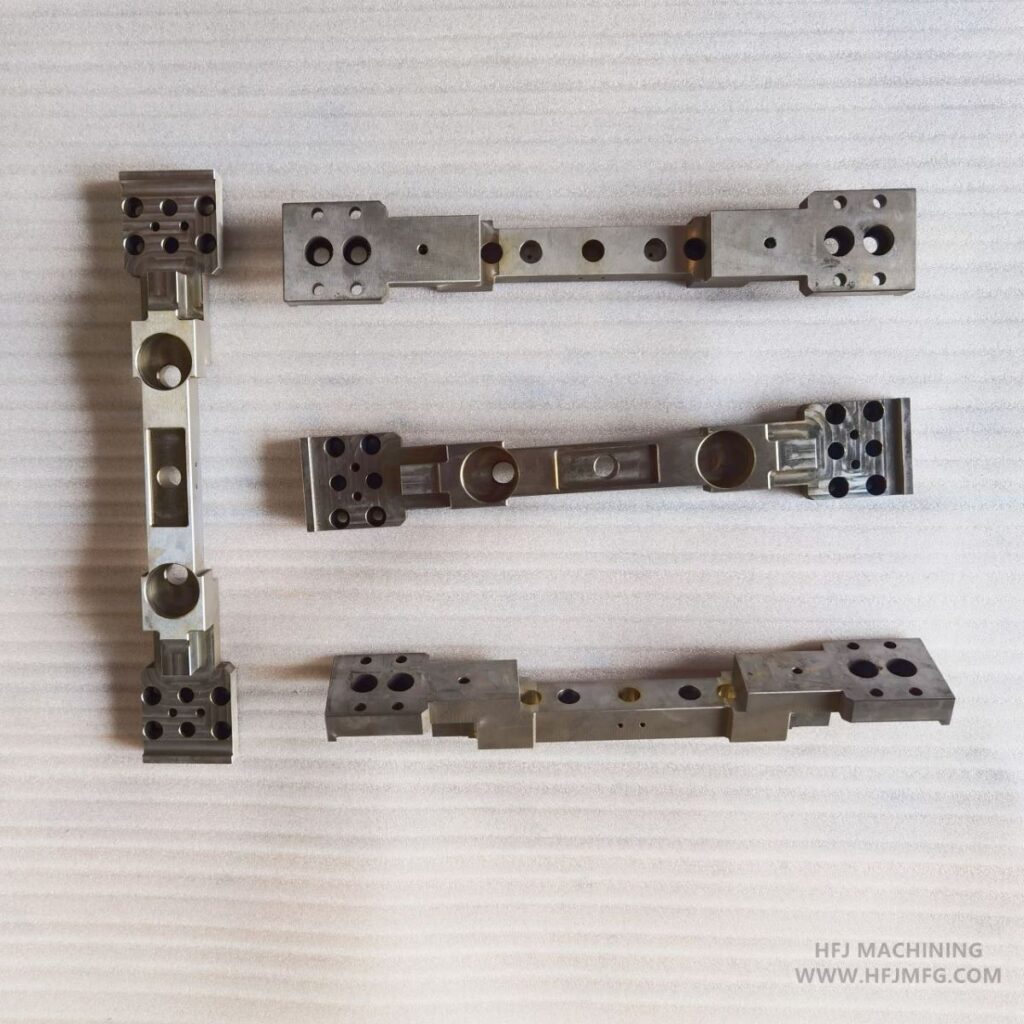
In one project, a customer specified ±0.005 mm tolerance across the entire part.
After reviewing the design, we suggested applying tight tolerances only to key functional areas.
This reduced machining time by over 25% and improved production efficiency.
Final Thoughts
Tolerance is not just a technical requirement, but a key factor that affects machining cost and manufacturability.
In many CNC machining projects, optimizing tolerance can significantly improve both cost efficiency and production reliability.
👉Learn more about our CNC machining services here.
If you are sourcing CNC parts and need help reviewing tolerances in your drawings, feel free to send your drawings to HFJ for evaluation.