
Introduction
CNC milling is widely used across different industries, but its real value is best understood through actual part applications.
In many machining projects, the same machining process can be applied to completely different components depending on the industry.
Understanding where CNC milling is used helps buyers choose the right manufacturing approach for their parts.
To better understand how these parts are produced, it is useful to first understand the CNC milling process.
CNC Milling in Automotive Industry
In automotive-related applications, CNC milling is often used for precision components and custom parts.
For example, this aluminum cap component was machined using multi-axis CNC milling, followed by anodizing and secondary machining.
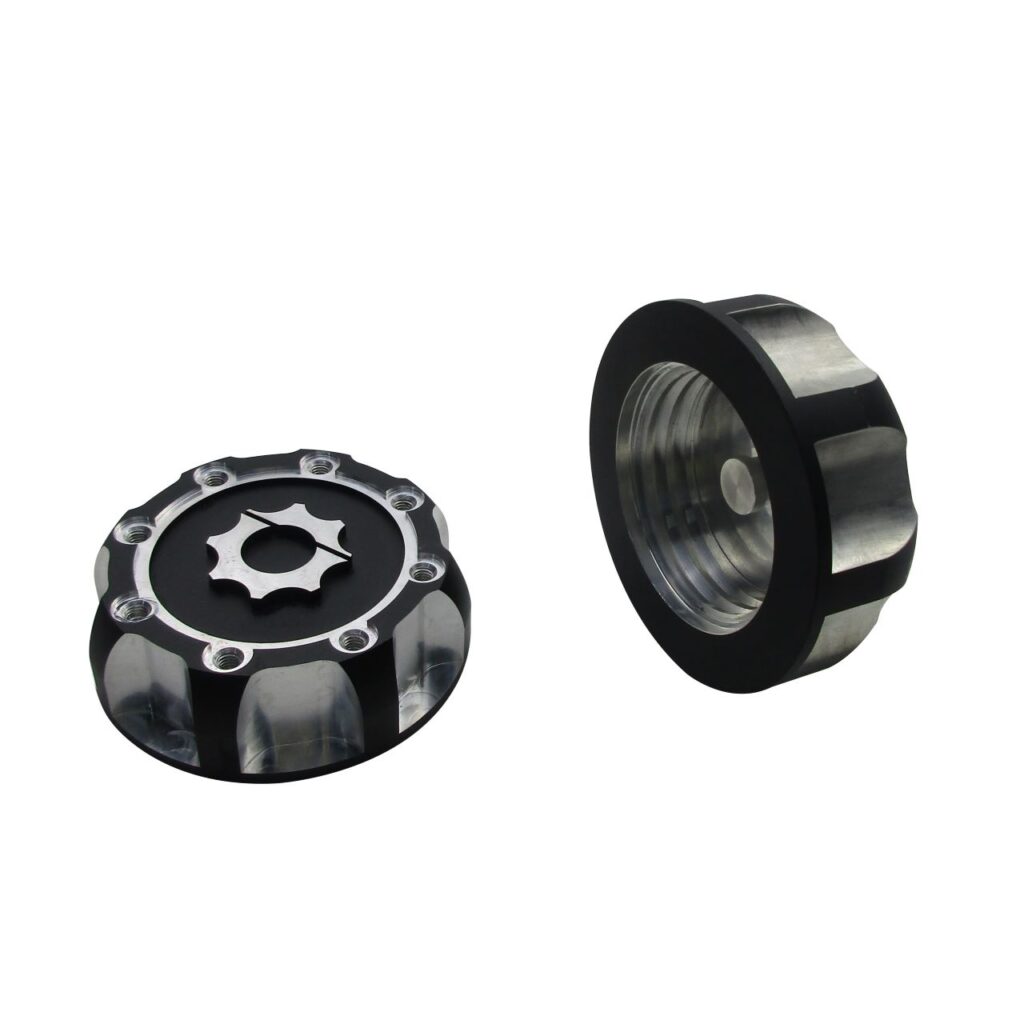
Such parts require:
- Accurate internal threading
- Consistent surface finish
- Tight dimensional control after surface treatment
In many machining projects, maintaining tolerance after anodizing is a common challenge.
CNC Milling in Electronics Industry
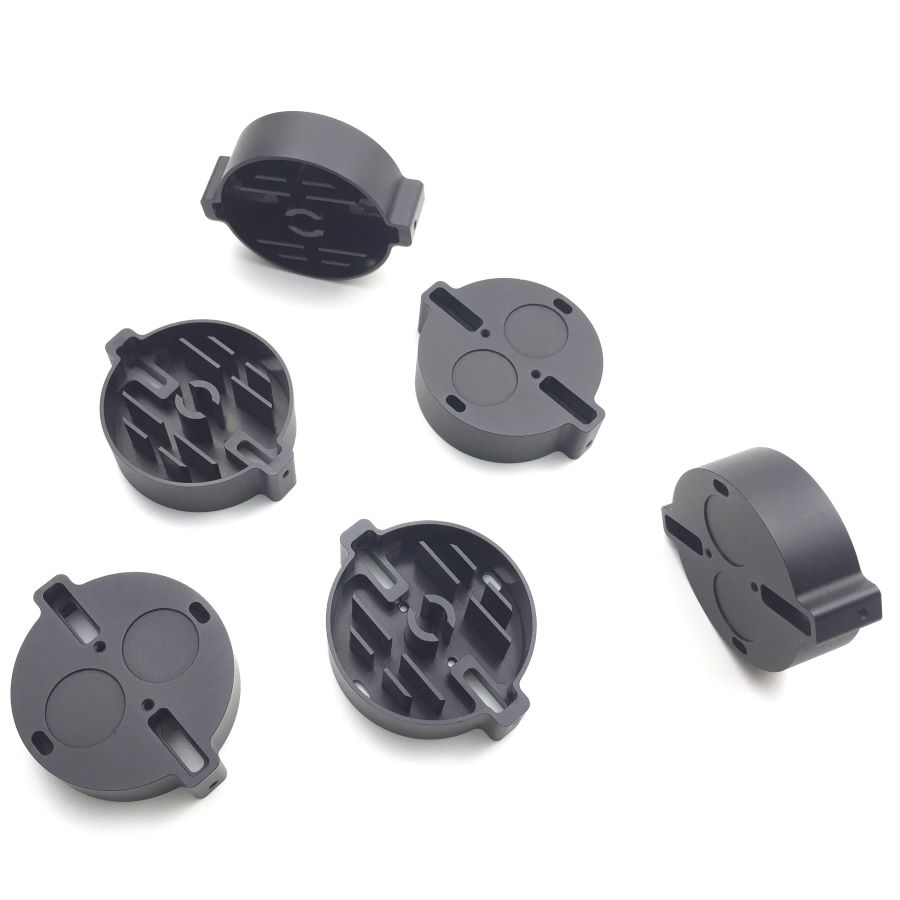
CNC milling is widely used in electronics, especially for aluminum heat sinks.
These components require:
- High surface area
- Precise fin structures
- Good thermal conductivity
In many cases, achieving consistent heat dissipation performance requires precise control of fin geometry and surface quality.
CNC Milling in Industrial Equipment

Industrial components often involve complex geometries and multiple machining features.
Typical examples include:
- Precision housings
- Machine components
- Custom metal parts
Complex parts often require multi-axis machining to reduce setups and maintain accuracy.
Real CNC Milling Part Example
The part shown below is a typical multi-face CNC milled aluminum component.
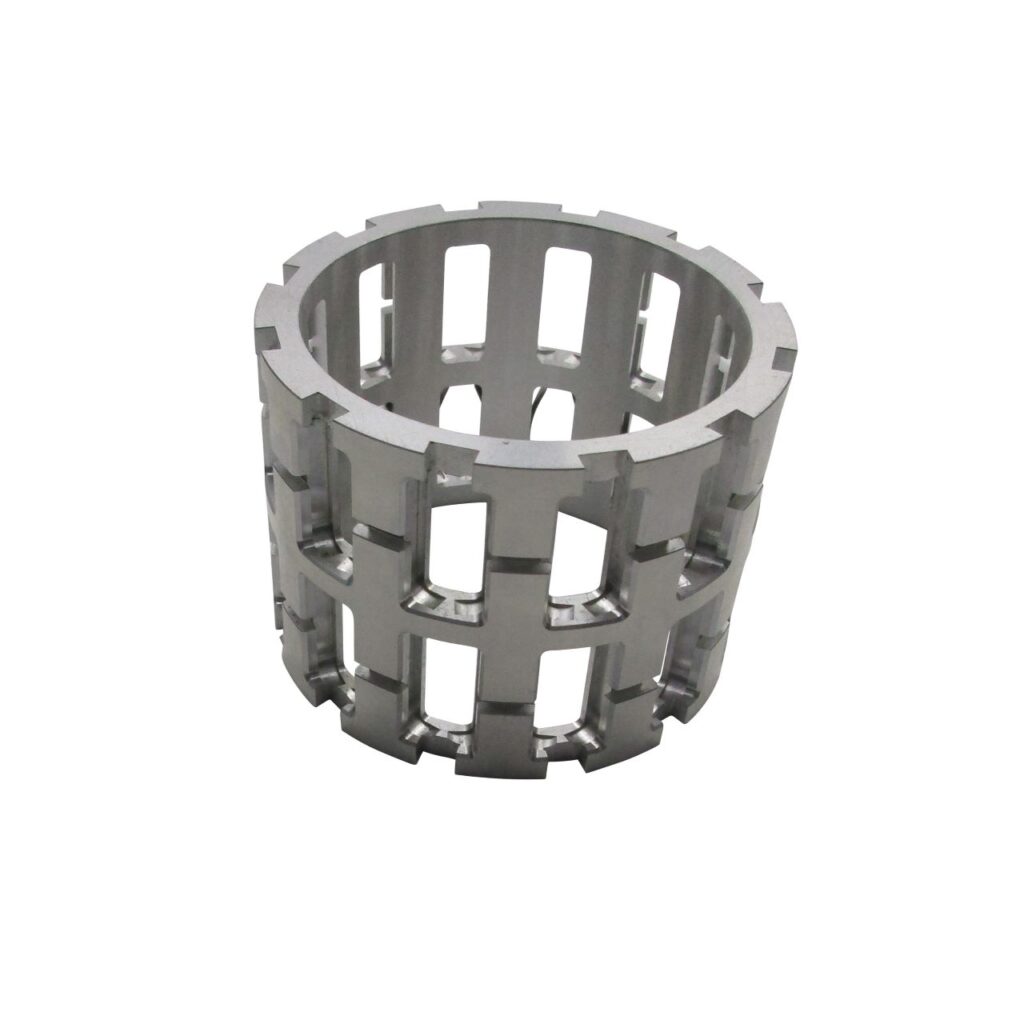
It includes:
- Internal cavities
- Threaded holes
- Complex outer geometry
Such parts are commonly used in industrial and mechanical assemblies, where both precision and structural integrity are critical.
This component features multiple thin walls and complex internal geometry.
In similar CNC milling projects, maintaining dimensional stability during machining is a key challenge.
To address this, machining strategies such as optimized toolpaths and controlled cutting parameters are often required.
Why CNC Milling Is Preferred in These Applications
CNC milling is preferred because it offers:
- High precision
- Flexibility in design
- Compatibility with different materials
In many cases, it is the only practical solution for producing complex custom parts.
Common Challenges Across Applications
Despite its advantages, CNC milling presents several challenges:
- Maintaining accuracy in complex parts
- Controlling deformation
- Ensuring consistent surface finish
These challenges often require experienced machining strategies.
Working with an experienced CNC machining service provider helps address these challenges effectively.
Conclusion
CNC milling plays a critical role across industries, from automotive to electronics and industrial equipment.
Understanding real applications helps buyers and engineers make better decisions when designing and sourcing parts.
If your parts involve similar geometries or applications, early evaluation can help avoid machining issues. Feel free to send your drawings to HFJ for review.