
Introduction
In many CNC machining projects, surface finish is often decided late — sometimes too late.
Engineers focus on geometry and tolerance first, but when parts arrive, issues like corrosion, poor appearance, or wear quickly show up.
Surface finishing is not just about looks.
It directly affects part performance, durability, and cost.
This guide explains common CNC surface finishes, when to use them, and how to avoid unnecessary cost.
What Is CNC Surface Finish?
Surface finish refers to any process applied after machining to modify the surface of a part.
This can include:
- Improving corrosion resistance
- Increasing wear resistance
- Enhancing appearance
- Adjusting electrical conductivity
In many machining projects, the base material alone is not enough to meet real application requirements.
Common CNC Surface Finishing Options
1. As Machined
This is the default finish directly from CNC machining.
Tool marks remain visible, and the surface has a matte metallic texture.
Best for:
- Internal parts
- Functional components
- Cost-sensitive projects
Not ideal for:
- Consumer-facing products
- Corrosion environments
Typical roughness: Ra 3.2 – 6.3 μm
2. Anodizing (for Aluminum)
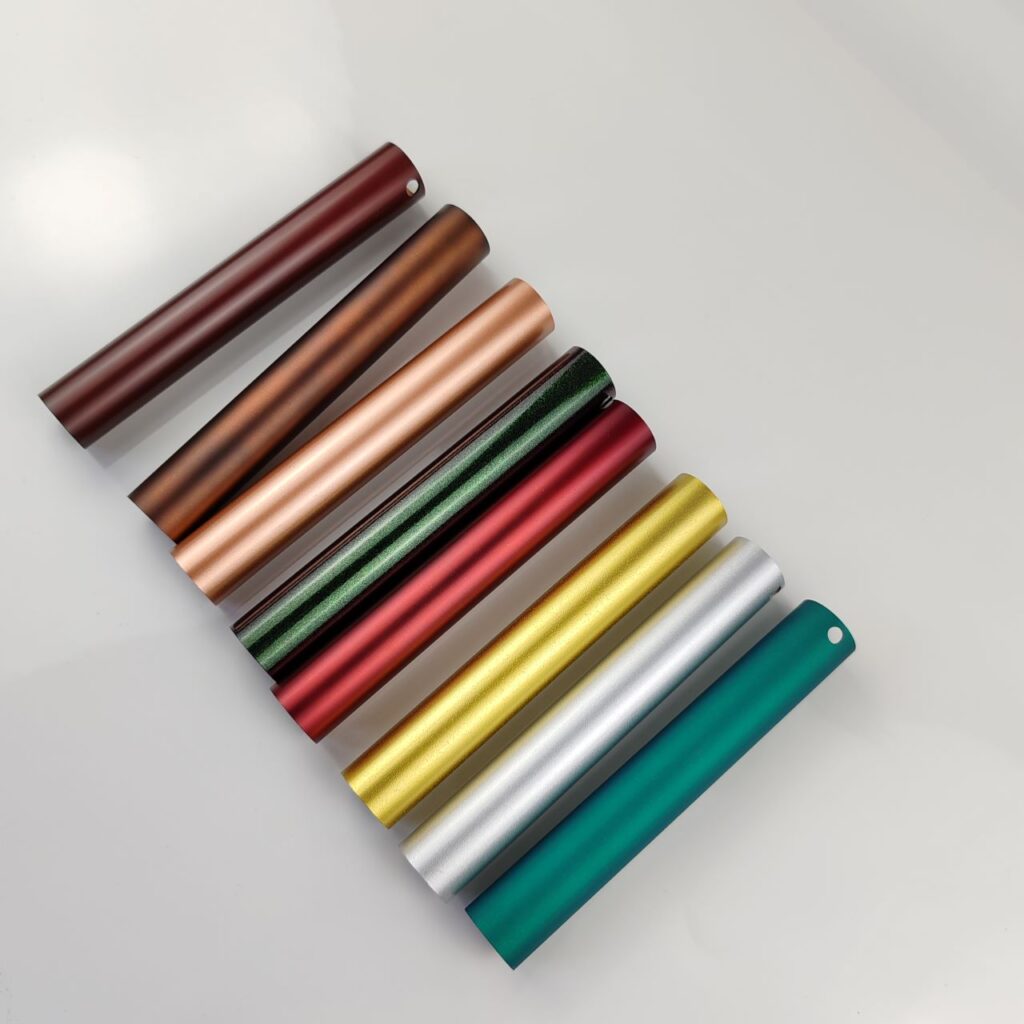
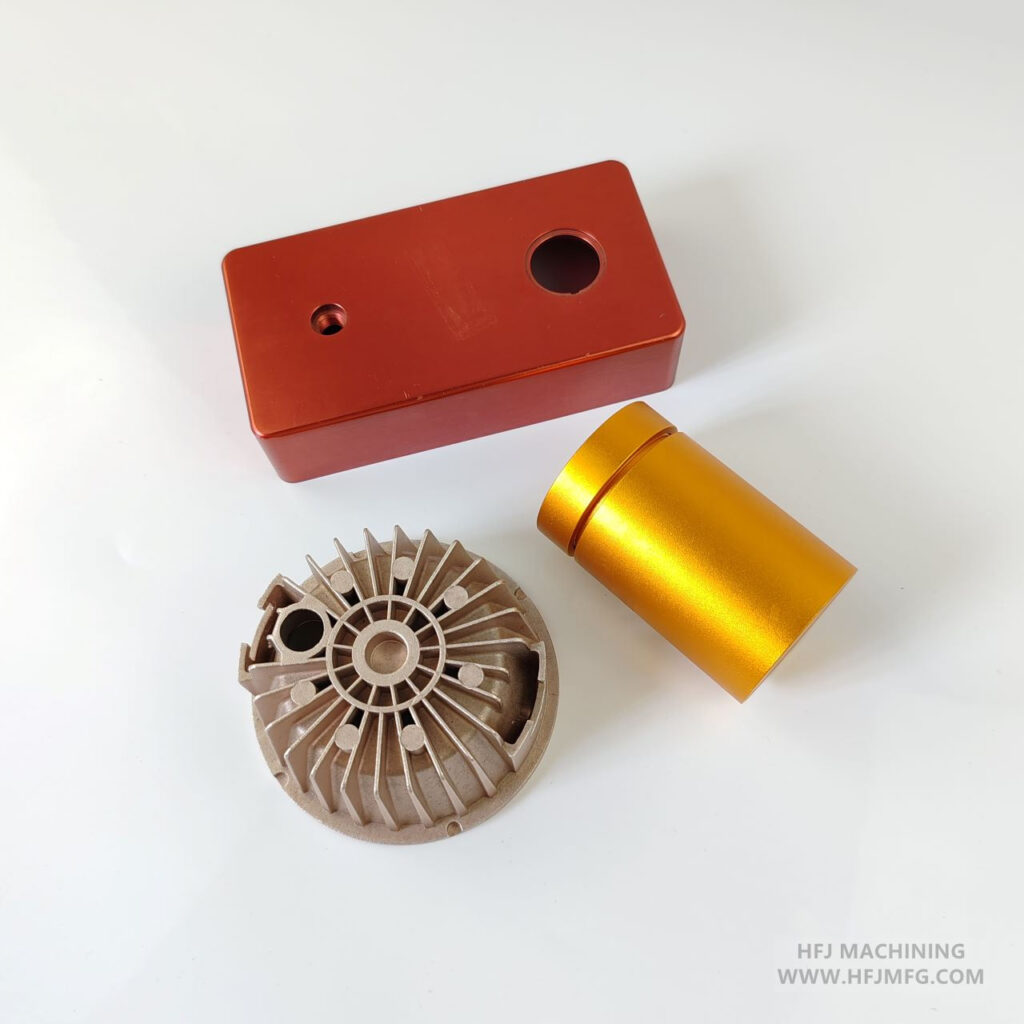
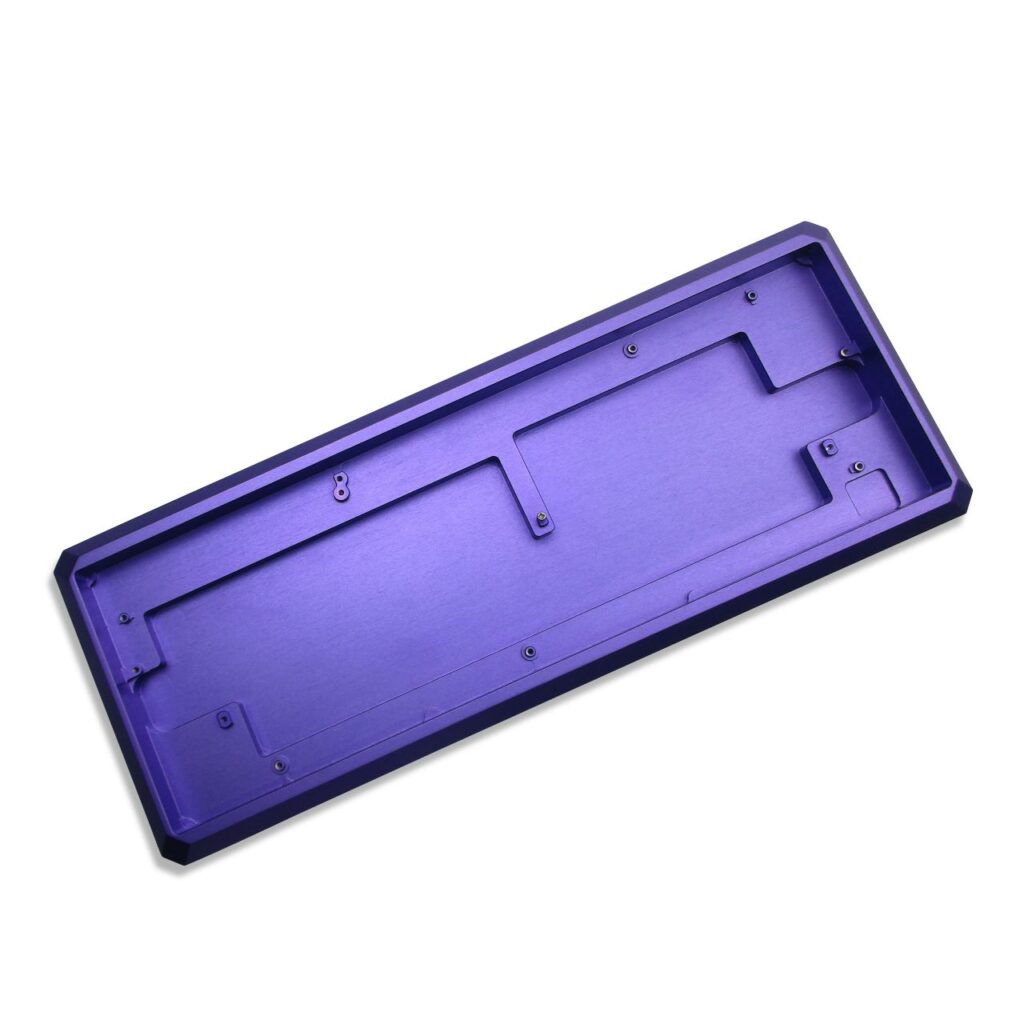
Anodizing creates a protective oxide layer on aluminum parts.
It improves corrosion resistance and allows for color finishes.
In many consumer products, anodizing is selected not only for protection, but also for appearance.
Best for:
- Aluminum enclosures
- Electronics housings
- Mechanical keyboard cases
3. Powder Coating
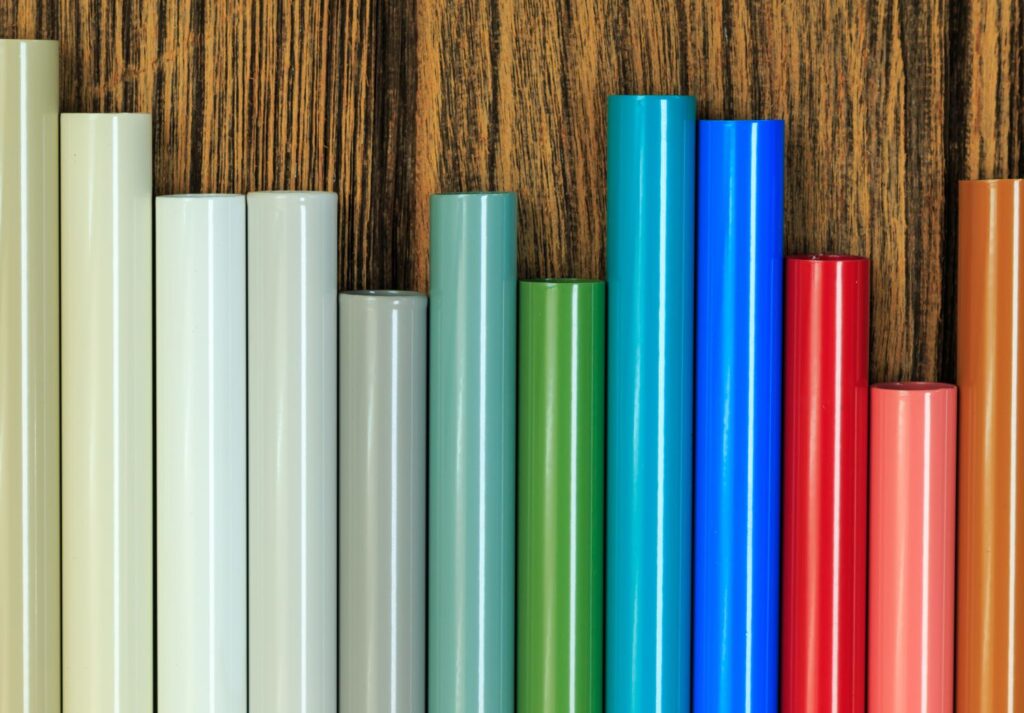
Powder coating applies a dry powder and cures it under heat.
It creates a thicker and more durable coating than painting.
Best for:
- Outdoor parts
- Structural components
- Parts requiring impact resistance
One common issue buyers face is over-specifying powder coating for precision parts, which may affect dimensional tolerance.
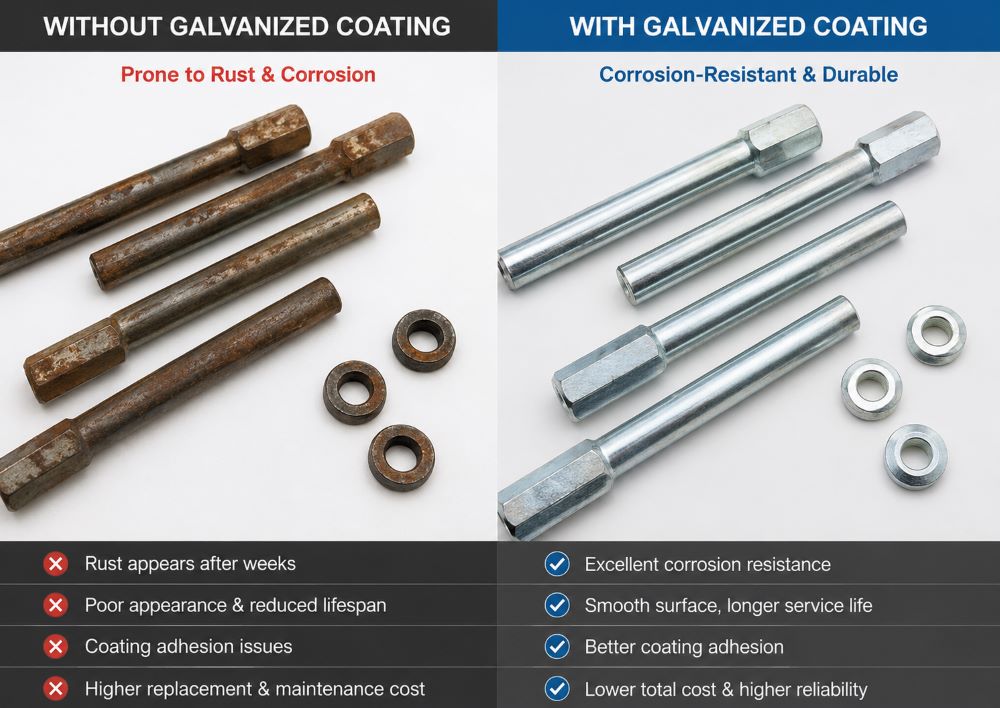
4. Plating (Nickel / Zinc / Chrome)
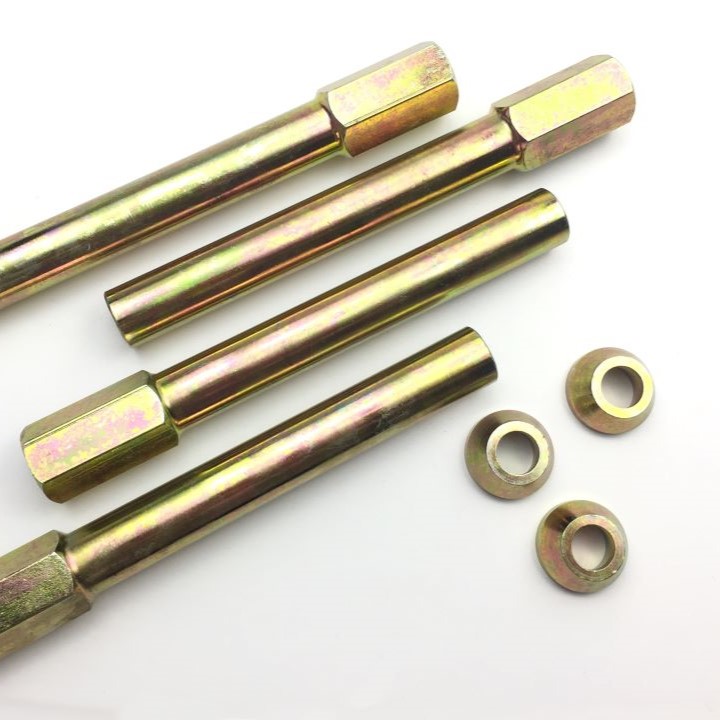
Plating adds a thin metal layer to the surface.
Different types provide different benefits:
- Zinc → corrosion protection
- Nickel → wear resistance
- Chrome → appearance + hardness
Best for:
- Threaded parts
- Shafts
- Electrical components
5. Sand Blasting
Sand blasting creates a uniform matte texture by blasting abrasive media.
Often used before anodizing or painting.
Best for:
- Removing machining marks
- Creating consistent appearance
6. Painting / Spray Coating
Liquid paint is applied and cured.
Compared to powder coating, it allows more color flexibility but is less durable.
Best for:
- Visual parts
- Prototypes
- Low-cost cosmetic finishing
Why Surface Finish Matters for Buyers
In many machining projects, problems are not caused by machining itself, but by incorrect finishing decisions.
Common issues include:
- Corrosion after a few weeks
- Poor adhesion of coatings
- Dimensional changes after plating
- Unexpected cost increase
Surface finish directly affects:
- Part lifetime
- Assembly fit
- Product appearance
- Total project cost
Common Challenges in Surface Finishing
1. Over-specifying finish
One common issue buyers face is choosing high-cost finishes without real functional need.
Example:
- Using anodizing + polishing when sand blasting is enough
2. Ignoring tolerance impact
Some finishes add thickness:
- Plating
- Powder coating
This can affect:
- Threads
- Fits
- Assembly
3. Choosing finish too late
Surface finish should be considered during design stage, not after machining.
Practical Tips for Choosing Surface Finish
Tip 1: Start from function, not appearance
Ask:
- Does this part face corrosion?
- Is wear resistance required?
- Is it visible to end users?
Tip 2: Match material with finish
Not all finishes work for all materials.
Example:
- Anodizing → only aluminum
- Plating → steel / brass / some aluminum
👉See how material selection affects finishing.
Tip 3: Balance cost vs performance
In many cases, a simpler finish can meet requirements.
HFJ Machining Insight
In many projects, we see customers specify surface finish based on appearance samples rather than application needs.
For example, anodizing is often selected for aluminum parts, but for indoor components without corrosion exposure, a sand blasted finish can already meet requirements while reducing cost.
For threaded or precision-fit components, we usually evaluate whether plating thickness will affect assembly, and adjust tolerances during machining to compensate. Learn more about our CNC machining capabilities in CNC machining services page.
Conclusion
Surface finish is not just a final step — it is part of the engineering decision.
Choosing the right finish can improve performance, reduce cost, and avoid rework.
In many machining projects, the best solution is not the most complex one, but the most appropriate for the application.
If you are sourcing CNC parts and are unsure which surface finish is suitable, feel free to send your drawings to HFJ for review.